Category: Hair Salon Barbershop

  • PIAOCHUN Hair Bleaching Cream: Complete Pro Salon Guide

    PIAOCHUN Hair Bleaching Cream: Complete Pro Salon Guide

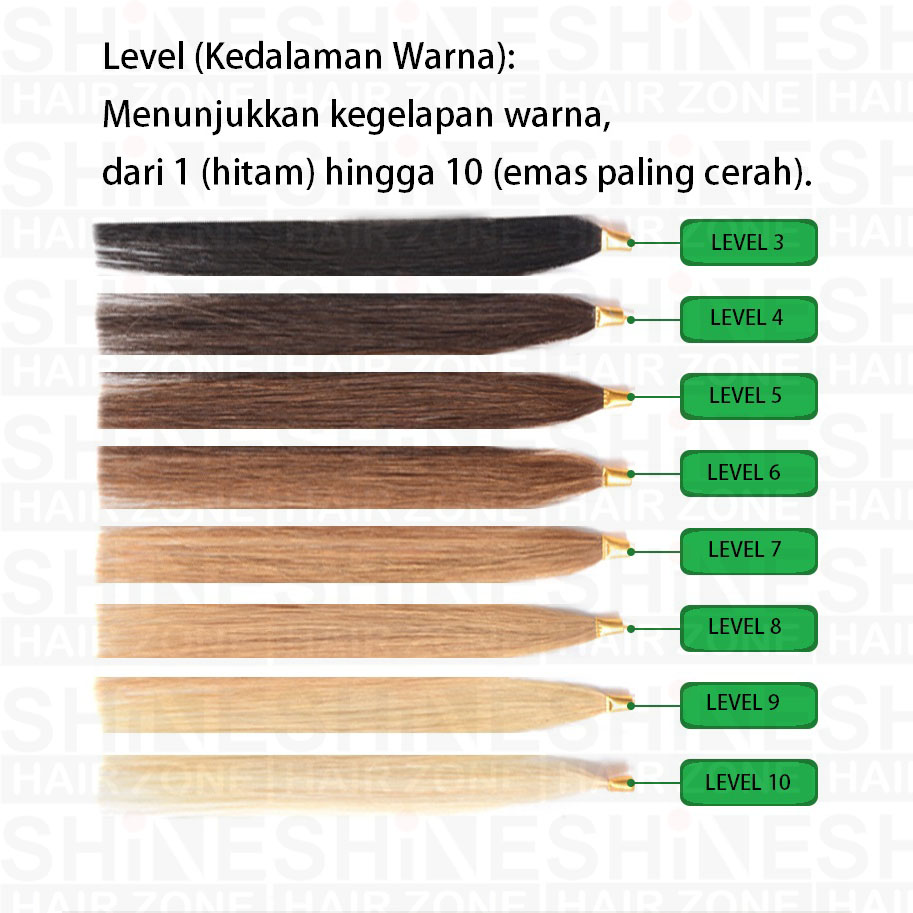
    Short answer: PIAOCHUN HAIR BLEACHING CREAM is a two-part professional bleach. One application lightens up to 7 levels; two applications reach up to 9-10 levels (depending on the hair). Mix the bleaching cream and oxidising cream at 1:1.5 or 1:2, and it is for professional use in licensed salons only.

    Key Features

    • Pleasant scent and smooth texture: a soft cream that spreads easily, helping stylists create colour work with ease.
    • Effective lightening: lifts natural and artificial pigments. 1 application: up to 7 levels. 2 applications: up to 9-10 levels (depending on hair type).
    • Concentrated and economical: bleaching cream to oxidising cream (developer) ratio of 1:1.5 or 1:2, depending on the amount of hair.
    • Gentle on hair: can be used with a 3% or 6% developer to reduce damage.

    Ingredients

    Formula 1 (bleaching cream): Mineral oil, Sodium silicate, Corn starch (Zea mays), Ammonium persulfate, Hydrogenated styrene/isoprene copolymer, Carboxymethyl hydroxyethyl cellulose, PEG-150 distearate.

    Formula 2 (oxidising cream): Water, Hydrogen peroxide, Cetearyl alcohol, Ceteareth-25, Etidronic acid, Glyceryl stearate, Fragrance, Sodium stannate.

    How to Use

    1. Mix the bleaching cream and oxidising cream at a 1:1 ratio.
    2. Stir until well blended.
    3. Apply evenly to the hair at room temperature.
    4. Leave for 30 minutes, then rinse with clean water.

    Precautions

    1. Contains hydrogen peroxide — a strong chemical.
    2. Avoid contact with the eyes: if it gets into the eyes, rinse immediately with water.
    3. Risk of severe allergy: read the instructions before use. Do a patch test 48 hours before use.
    4. Age restriction: not suitable for anyone under 16.
    5. DO NOT use on eyebrows or eyelashes.
    6. Wear gloves during professional use.
    7. DO NOT use if: there is a rash on the face, or the scalp is sensitive or wounded; you have had an allergic reaction to hair colour before.

    Storage

    Store in a dry place at room temperature and away from sunlight.

    Extra Benefits

    • Food-grade corn starch: reduces hair damage and protects the scalp.
    • Amino silicone oil formula: penetrates the cuticle and nourishes the hair with low irritation.

    For professional use in licensed salons only. Sold exclusively in beauty salons. For enquiries, WhatsApp us or visit the product page.
  • Rebonding vs Heat Iron: Which Straightening Option Is Best?

    Rebonding vs Heat Iron: Which Straightening Option Is Best?

    Short answer: pick Rebonding (chemical straightening) if you want straight hair that lasts 3-6 months, and pick a heat iron for daily styling or if you have fine or damaged hair. Rebonding changes the hair’s internal structure with chemicals, while a heat iron only temporarily changes hydrogen bonds.

    Who Is Rebonding For?

    Naturally curly, thick or hard-to-manage hair, and anyone who wants long-lasting straight hair (3-6 months). Avoid it if there are cuts or inflammation on the scalp.

    Rebonding Steps and Timings

    1. Hair assessment: make sure the hair is not coloured or badly damaged. Avoid if the scalp has cuts or inflammation.
    2. Apply the softener (H1): apply 1-2 cm away from the roots down to the ends. Waiting time: 10-25 minutes, depending on hair type.
    3. Elasticity test: pull a strand — if it springs back to 1.5x its original length, it is soft enough.
    4. Rinse and dry: rinse clean, dry, then use a 180°C flat iron to set the shape.
    5. Apply the neutraliser (H2): apply over the whole head, leave for 20-30 minutes, then rinse clean.

    The Science Behind Rebonding

    • H1: alkaline agents (e.g. sodium hydroxide) break the disulfide (S-S) bonds.
    • H2: oxidising agents (e.g. hydrogen peroxide) re-form the disulfide bonds.

    Rebonding Precautions

    ⚠️ Avoid contact with the scalp — risk of chemical burns.
    ⚠️ Use a keratin mask after the treatment to help the hair recover.

    Who Is a Heat Iron For?

    Daily styling, or fine and damaged hair where you want to avoid chemicals.

    Heat Iron: Temperatures and Technique

    1. Preparation: dry hair to 80%, then spray a heat protectant (contains silicone).
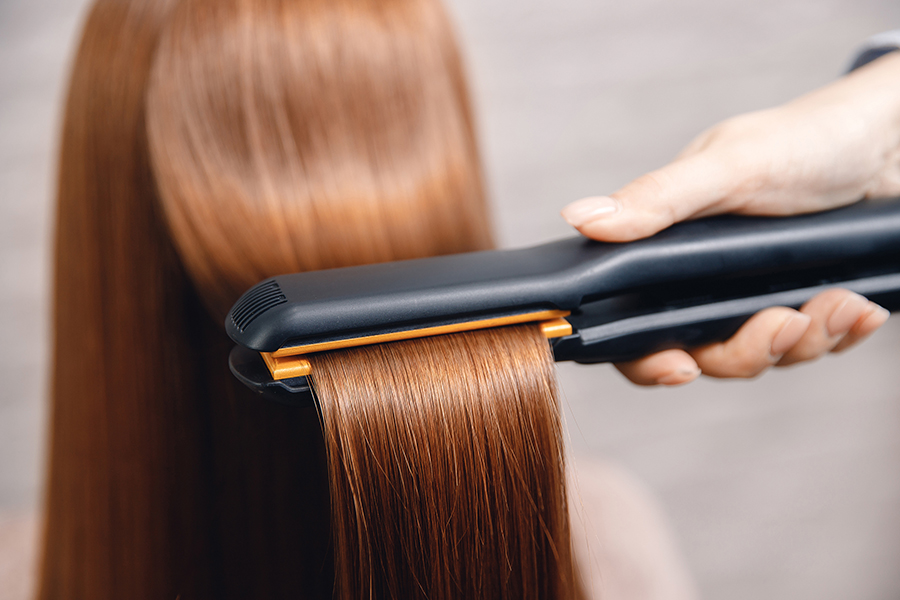
    2. Section and set the temperature: fine hair 120-160°C; normal hair 160-180°C; thick hair 180-200°C.
    3. Straightening technique: glide slowly from 2 cm away from the roots to the ends. Do not go over the same strand more than twice.
    4. Cooling: finish with cool air to help close the cuticle.

    Heat Iron: Science and Precautions

    Heat temporarily changes hydrogen bonds; above 200°C it damages keratin. ⚠️ Never use it on wet hair — it can create “air bubbles” inside the hair. ⚠️ Clean the iron with alcohol regularly.

    Rebonding vs Heat Iron: At a Glance

    AspectRebondingHeat Iron
    Result3-6 months (permanent)1 day (temporary)
    DamageHigh (chemical)Moderate (controlled heat)
    Suitable forHealthy, thick hairAll hair types
    DifficultyNeeds a professionalCan be done at home

    Aftercare

    1. Sulfate-free shampoo: keeps the scalp pH at 4.5-5.5.
    2. Weekly hair mask: choose one with hydrolysed keratin or panthenol.
    3. Avoid excess heat: cut down on dryers and flat irons.

    Summary

    For thick, healthy hair that wants one long-lasting result, choose Rebonding — but keep up the aftercare. For daily styling with lower risk, use a heat iron and control the temperature and frequency. Rebonding must be done by a certified stylist. To ask about products or salon supplies, WhatsApp us or visit our product pages.

  • Hair Dye Numbers Explained: Which Shade Covers Grey Hair?

    Hair Dye Numbers Explained: Which Shade Covers Grey Hair?

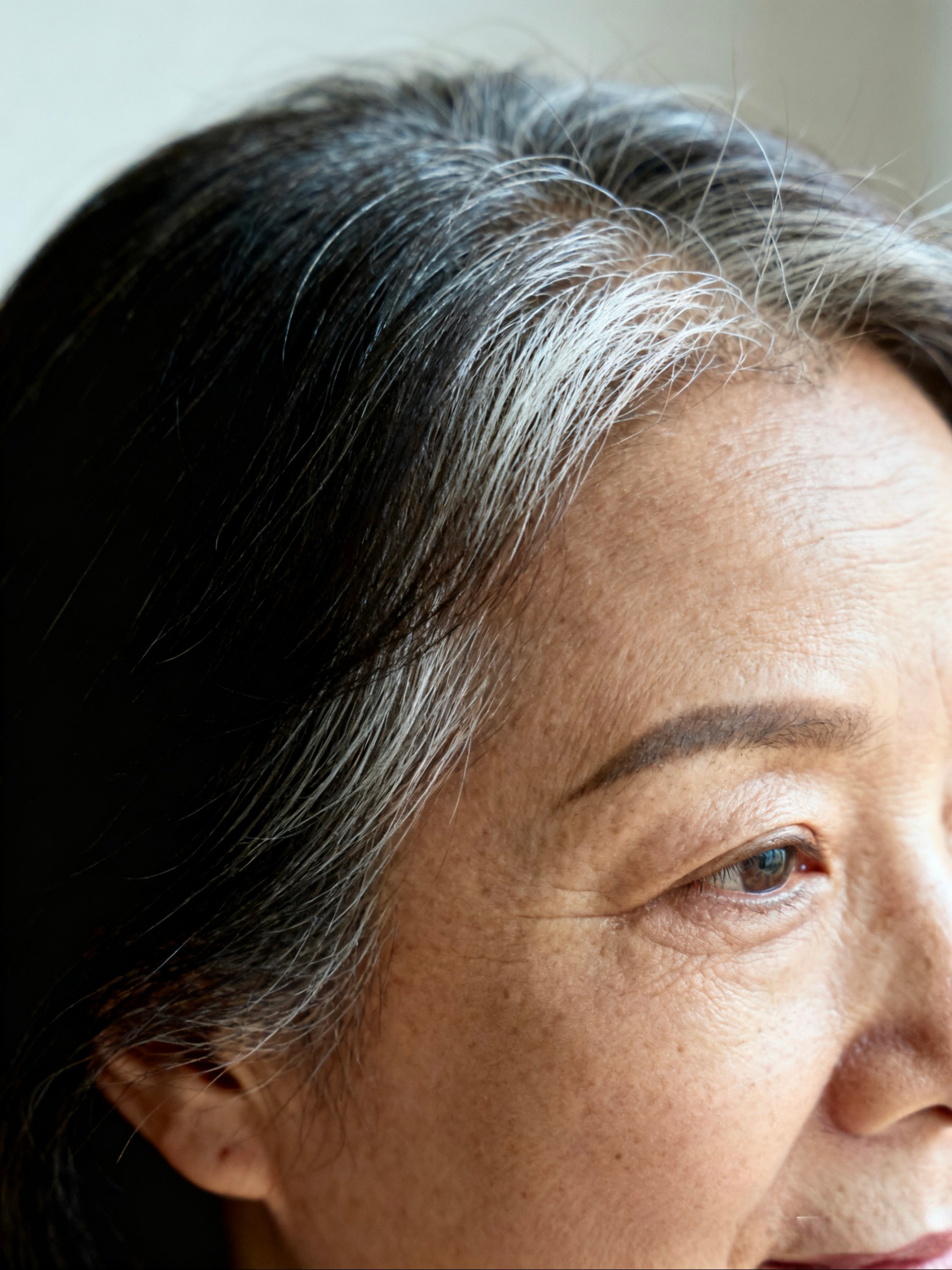
    Italian hair dye numbers (brands such as Alfaparf, Fanola or Framesi) follow one format: [level] . [tone]. To cover grey hair, pick a shade with .0 (Natural / Neutral) — especially double-zero codes like 4.00 or 5.00, which carry double pigment and stronger penetration. Asian grey hair is thick and resistant, so a fashion tone such as Ash or Copper on its own will not cover it properly.

    How to read the code: level before the dot, tone after it

    The format is always written as [level number] . [tone number]. The number before the dot sets how dark or light the shade is; the number after the dot sets the reflection you see under light.

    Level (before the dot)

    • 1 = Black
    • 3 = Dark Brown — the natural colour of most Asian hair
    • 4 = Medium Brown — the most suitable natural shade for covering grey
    • 5 = Light Brown
    • 6 and above = Blonde tones

    Tone (after the dot)

    • .0 = Natural / Neutral (a must for grey coverage)
    • .1 = Ash (blue/green base, cancels rust and orange)
    • .2 = Violet (cancels yellow)
    • .3 = Gold (adds shine and a lively look)
    • .4 = Copper
    • .5 = Mahogany
    • .6 = Red

    Which numbers work best on Asian grey hair?

    Asian grey hair is usually thick, coarse and resistant. Pick the wrong number and the grey stays visible or the colour fades very fast. Match the option below to your goal.

    Option A: full 100% coverage

    When the grey is hard and evenly spread, a normal shade is not enough — you need an “Intense Natural” double-numbered shade.

    • Best codes: 4.00 or 5.00 (look for the two zeros at the end).
    • Why: the double zero (.00) means double pigment, and the penetration is strong enough to get into the thicker Asian cuticle.
    • Recommendation: 4.00 is the safest for a look that matches original Asian hair; 5.00 gives a softer brown that is not too dark.

    Option B: fashion brown (chocolate / coffee)

    Grey hair has no pigment. Apply a fashion tone such as Ash or Copper straight onto grey and the colour looks thin or plain odd, so you must mix it with a natural base.

    • Best codes: 5.3 (golden brown) or 5.35.
    • How to mix (important): do not use a full tube of fashion colour on its own.
      • Formula: ½ tube 5.0 (Natural) + ½ tube 5.3 (fashion tone).
      • Why: 5.0 handles the grey coverage while 5.3 adds the glow so the hair does not look dull.

    Option C: cool ash brown

    Be careful with Ash (.1) on grey — get it wrong and the hair turns mossy green or dull grey. Use 5.0 (50%) + 5.1 (50%); the natural (.0) holds the Ash so the grey is covered neatly and the tone still looks good.

    Quick reference for Asian hair

    • Natural black / original look: 3.0 or 4.0 — looks like the original Asian hair colour, not a fake flat black.
    • Coarse, resistant grey: 4.00 or 5.00 — double pigment with strong penetration for thick hair.
    • Warm fashion brown: 5.3 mixed with 5.0 — the gold reflection (.3) brightens the face instead of leaving it dull.
    • Cool brown (Ash): 5.1 mixed with 5.0 — the .0 keeps the hair from turning green.

    Salon pro tips (do not skip)

    1. Use Peroxide / Developer 20 Vol (6%): do not waste time with 10 Vol. Asian hair needs 20 Vol (6%) to open the thicker cuticle so the colour goes in deep.
    2. Processing time: leave it on for 40–45 minutes. Do not rinse early — grey hair needs a little longer to take the colour fully.
    3. Stay away from Level 1 (jet black): avoid 1.0 or 1.1. The hair ends up looking hard, as if it were polished with shoe polish; it looks fake and it makes age lines and wrinkles on the face stand out more.

    Summary

    Grey coverage comes down to the numbers: the level before the dot sets depth, the tone after the dot sets reflection, and you always need .0 for coverage — 4.00 or 5.00 for resistant grey, or 5.0 mixed with 5.3 for a warm fashion brown. WhatsApp us for a consultation, or view the product page to pick your shades.

  • Split Ends Causes and Prevention: Action Map

    Split Ends Causes and Prevention: Action Map

    Split ends cannot be repaired once they form, only trimmed off or prevented. The causes are predictable: lack of vitamins, hair age, overuse of the hair dryer, harmful chemicals, UV exposure, damaging daily habits and cutting mistakes, and each cause has a practical fix.

    1. Lack of vitamins

    A shortage of biotin, vitamin E and B complex weakens the hair cuticle, making the fibre brittle and easy to break.

    • Food: eat nutrient-rich food such as eggs, avocado, salmon, nuts and green vegetables.
    • Supplements: take biotin or a hair multivitamin, on a doctor’s advice.

    2. Hair age

    Older hair, especially at the ends, loses moisture and natural elasticity, so it splits more easily.

    • Regular trims: cut the ends at a salon every 8–10 weeks.
    • Protective serum: use a serum with light silicone to shield the ends.

    3. Overuse of the hair dryer

    High heat damages the cuticle and dries the hair out.

    • Heat protectant: spray a heat protection product before drying.
    • Drying technique: use low heat, keep a 15 cm distance and limit drying to 2–3 times a week.

    4. Harmful chemicals

    Parabens and SLS in products such as hairspray or rebonding dry the hair out.

    • Safer products: choose products labelled SLS-Free or Paraben-Free.
    • Fewer chemical services: avoid rebonding/coloring too often, at most once every 3 months.

    5. Weather exposure (UV)

    UV rays damage keratin and the hair’s moisture.

    • UV protection: wear a head cover, or use a hair spray with SPF.
    • Protective oil: apply argan oil or coconut oil as a natural protective layer.

    6. Damaging daily habits

    Rubbing wet hair roughly or combing through tangles causes breakage.

    • Dry gently: blot wet hair with a microfiber towel.
    • Wide-tooth comb: use a wooden comb or a wide-tooth comb to avoid pulling.

    7. Cutting mistakes

    Ordinary scissors leave an uneven cut, known as a crushed cut.

    • Professional trim: go to a salon for a dusting trim, which removes split ends without losing length.
    • Sharp scissors: make sure salon scissors are sharpened regularly.

    Split ends prevention action map

    • Internal nutrition: eat biotin-rich food and take supplements.
    • Heat protection: heat protectant plus low heat.
    • Regular trims: trim the ends every 8–10 weeks.
    • Avoid chemicals: choose SLS-free and paraben-free products.
    • Weather care: cover up in the heat and use a protective oil.

    Key facts

    • Split ends cannot be repaired, they can only be cut off or prevented.
    • Healthy hair starts at the scalp: massage with jojoba oil to improve blood circulation.

    With a minimum spend storewide, you can currently redeem a free Labbell Crystal Repair Serum, the salon serum used to prevent split ends and add instant shine.

    Summary

    Preventing split ends is easier than treating them, and balanced nutrition, quality products and the right technique keep long hair healthy. To find the right repair routine for your hair, message us on WhatsApp or view the product page for Labbell Crystal Repair Serum.

  • Hair Damaged After Rebonding? LB-II Ionic Crystal Repair Serum

    Hair Damaged After Rebonding? LB-II Ionic Crystal Repair Serum

    Dry, rough, split ends after a client’s bleaching, rebonding or perming session are the biggest headache for salon owners and stylists, but handled well they are a golden chance to lift retail profit. The key is using a professional product that gives an instant “wow” effect in front of the mirror — LB-II Professional Ionic Crystal Repair Serum.

    Why ordinary hair oil cannot rescue rebonded or bleached hair

    Ordinary hair oils sold outside only coat the surface of the hair for temporary shine. On hair badly damaged by chemicals, the cuticle is already open and protein has been lost. What you need is an ionic formula to close the cuticle, not a sticky oil.

    The salon’s secret weapon: LB-II Professional Ionic Crystal Repair Serum

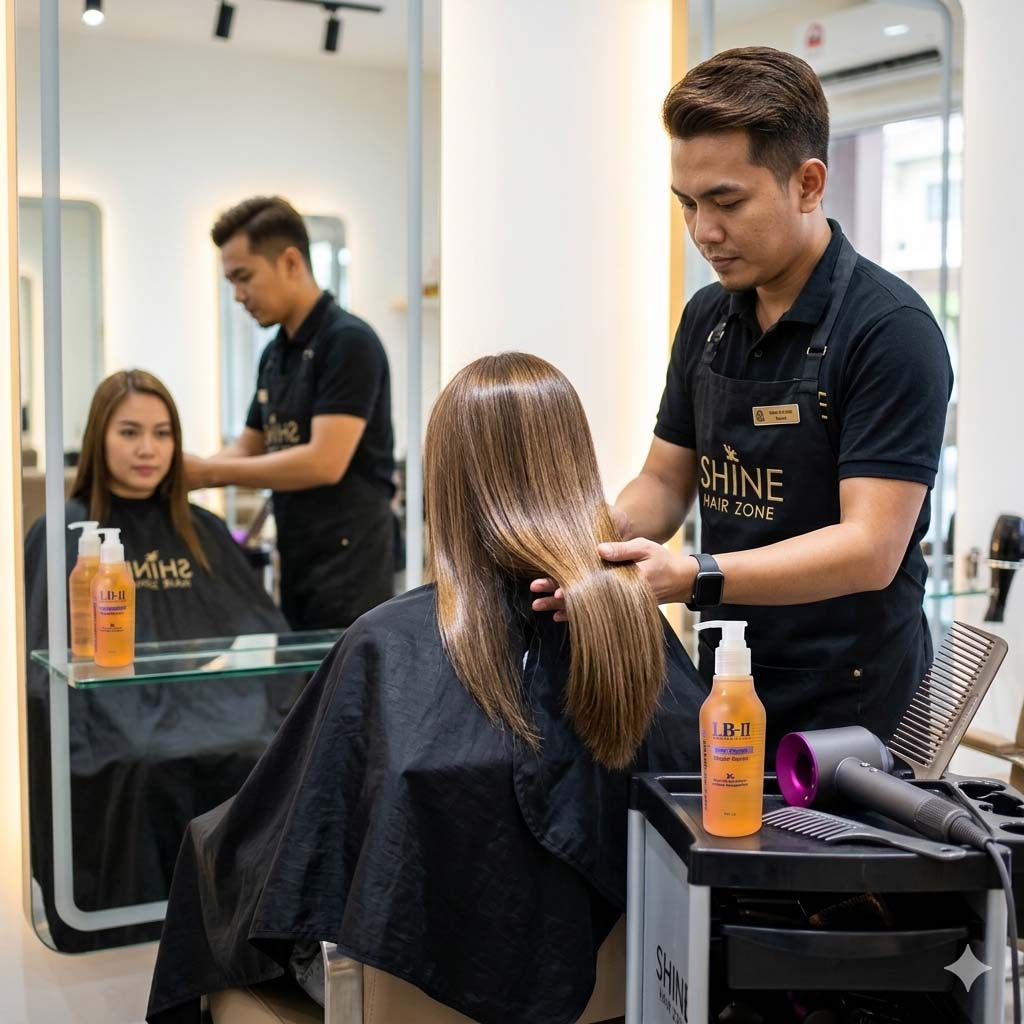
    To convince a client to buy before they walk out of the salon, use the LB-II Ionic Crystal Repair Serum. Nicknamed the “invisible plaster” for hair, it is formulated for extremely damaged, breakage-prone and split ends. It comes in a 140ml size.

    3 main selling points for stylists to close the sale

    • Instant visual effect (tackle frizzy hair): during the blow-dry, pump one drop of serum in front of the client and apply it to the roughest ends. Show them how easily the comb glides through without snagging. A result they can see with their own eyes is the most effective sales technique.
    • Maximum heat protection (heat protectant): tell the client, “Your hair was just rebonded or coloured, so it is very sensitive. This LB-II serum acts like heat-resistant clothing. If you use an iron or hair dryer at home, it protects the hair from severe damage and breakage.”
    • Premium texture (non-greasy): let the client touch their hair after application. It is not sticky at all and does not make the hair flat. The ionic technology absorbs quickly without leaving an oily residue on the stylist’s or client’s hands.

    Why client education starts at your chair

    Client education starts from your salon chair. Send clients home with professional-grade products so the results of your work last, while doubling the salon’s profit. To restock or compare more professional repair products, WhatsApp us for advice or view the product page.

  • Korean Perm for Men: How to Do a Cold Perm Step by Step

    Korean Perm for Men: How to Do a Cold Perm Step by Step

    For a Korean Perm on men, a Cold Perm can be done at home: apply the Cold Perm solution (Step 1) evenly to the hair without rinsing, wrap the hair in rollers, leave it for 5-10 minutes, then rinse and set the shape. No heat is needed because the solution does the work chemically.

    The 5 main Cold Perm steps

    1. Apply the Cold Perm solution (Step 1): spread it evenly through the hair and make sure every strand is covered; no rinsing is needed after application.
    2. Wrap the hair in rollers: divide the hair into small sections and roll each one; the roller size depends on the type of wave you want.
    3. Leave for 5-10 minutes: no heat exposure is required as the process relies on the chemical action of the solution.
    4. Rinse and set the shape: rinse with clean water to stop the solution; then set the shape with a wave-locking product such as a spray or gel.

    Advantages of the Cold Perm method

    AdvantageDescription
    Easy and practicalCan be done at home without complex salon tools.
    Natural resultSoft, elastic waves suited to the trendy Korean Perm look.
    Safe for the skinNo heat is used, so the risk of scalp irritation is minimal.

    Important tips for the best result

    • Avoid contact with the scalp: use a brush or applicator so the solution does not drip onto the scalp.
    • Section the hair: for long or thick hair, use 8-10 sections for more precise application.
    • Soften the hair first: damp, softened hair rolls more easily and helps prevent damage.
    • Use quality products: for example Cold Perm Step1, a professional formulation for consistent results.

    Expected results

    • Natural waves with high elasticity.
    • Suitable for messy waves or Korean-style soft curls.
    • No damage on sensitive hair or a sensitive scalp.

    Safety practices

    • Do not leave it too long: never leave the solution on for more than 10 minutes, as the hair may become too dry.
    • Do an allergy test first: apply a little solution behind the ear 24 hours before the process.

    Who is it suitable for?

    • Hair type: thick, coarse or hard-to-manage hair; hair damaged by colour or heat, as long as there is no scalp wound.
    • Target styles: Korean Perm, Textured Waves or Natural Curls.

    After-perm care

    • Use a sulphate-free shampoo to maintain moisture.
    • Apply a hair mask once a week to prevent dryness.
    • Avoid combing roughly; use your fingers or a wide-tooth comb.

    Summary

    The Cold Perm needs no heat and is simple to do, provided you apply it evenly, keep to the 5-10 minute timing and take care of the setting and aftercare. To get Cold Perm Step1 or check whether your hair type suits it, WhatsApp us for advice or view the product page.

  • Why Neutralizer (Step2) Must Be Rinsed Out Completely After Rebonding

    Why Neutralizer (Step2) Must Be Rinsed Out Completely After Rebonding

    If Neutralizer (Step2) is not rinsed out completely, the leftover chemicals keep attacking the hair, causing it to lose elasticity, turn dry and eventually break. After rebonding, Step2 is what rebuilds the disulfide bonds (S-S) and stops the chemical reaction, so how well you rinse decides whether the hair survives.

    Why an incomplete rinse causes damage

    Chemical straightening works by breaking and then rebuilding the disulfide bonds (S-S) inside the hair:

    • Straightener Cream (Step1): contains high-alkaline ingredients (e.g. sodium hidroksida) that break the disulfide bonds and soften the hair.
    • Neutralizer (Step2): contains an oxidising agent (e.g. hidrogen peroksida) that rebuilds the disulfide bonds and stops the chemical reaction.

    When Step2 is not rinsed out fully, the leftover oxidising agent keeps oxidising the keratin, so the hair loses its elasticity. The alkaline residue also keeps damaging the hair protein, leaving it weak and easy to break.

    How the hair structure breaks down

    Hair strength depends on disulfide bonds and hydrogen bonds: disulfide bonds determine elasticity and shape, while hydrogen bonds affect smoothness (they can be temporarily changed by water or heat). Without a proper rinse, the chain of damage is:

    • Disulfide bonds are not re-formed, so the internal structure loosens.
    • Leftover chemicals destroy keratin, the cuticle opens up and the cortex is exposed.
    • The hair loses its protective layer, becomes brittle and dry, and the risk of breakage is high.

    Clinical signs to watch for

    • Hair feels like cotton and snaps when pulled.
    • Split, dry ends because the cuticle cannot close.
    • Loss of shine from damaged keratin structure.

    How to prevent it

    • Rinse for 5 minutes with warm water until there is no slippery feel left.
    • Check the scalp pH: it should be around 5.5 (mildly acidic) after rinsing.
    • After-care: use a hair mask based on keratin or amino acids.

    Summary

    Neutralizer not rinsed out = the chemical reaction keeps going → severe hair damage → breakage. Straightening is always a process of damage and rebuilding, and the neutralizer decides how healthy the hair ends up. Rinsing Step2 well is the key to stopping the reaction, but the application technique for Step1 and the use of the flat iron matter just as much. To learn the full process, WhatsApp us for advice or view the matching rebonding products on our product page.

  • Wella Straight It vs Labbell: Expert Straightening Guide

    Wella Straight It vs Labbell: Expert Straightening Guide

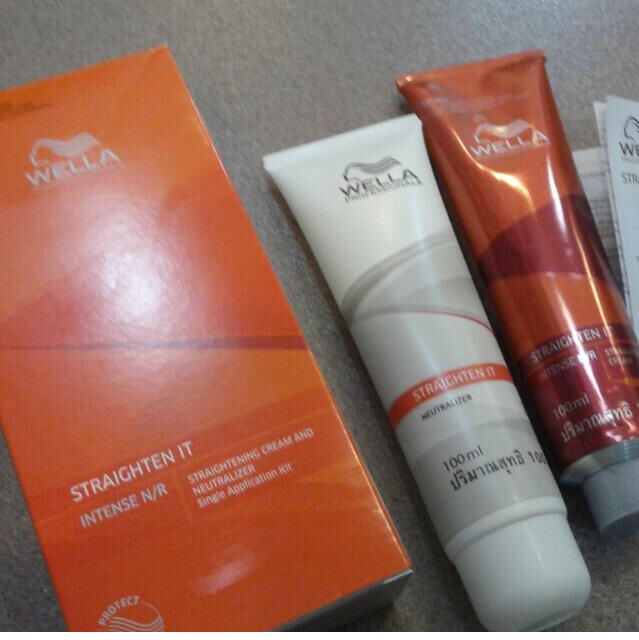
    Choosing the right straightening cream is key to salon-level straight hair at home: Wella Straight It (formerly Wellastrate) and Labbell Super Straight are both professional creams used in leading salons. Both include conditioning ingredients such as Jojoba oil to reduce damage while straightening, leaving hair cleaner, lighter and shinier.

    1. Wella vs Labbell Straightening Creams

    A. Wella Straight Intense (Strong)

    • Size: Step 1 (100ml) + Neutralizer Step 2 (100ml).
    • Suited to: very curly, thick, coarse hair, or a first straightening treatment (rebonding / rebonding iron).
    • Result: maximum straightness that lasts, around 2-3 months depending on care.

    B. Wella Straight Mild (Moderate / Gentler)

    • Size: Step 1 (100ml) + Neutralizer Step 2 (100ml).
    • Suited to: fine, thin, coloured, damaged hair, or hair that has had rebonding before.
    • Result: a natural straight look without putting excessive chemical stress on the hair.

    C. Labbell Super Straight (Strong & Professional)

    • Size: Step 1 (500ml) + Neutralizer Step 2 (500ml).
    • Suited to: professional salon use, or very thick and stubborn hair; also suitable for frequent use.
    • Result: maximum straightness, weight and shine, like a premium salon treatment.

    2. Key Formulation Features

    • Hydro Safe Complex: improves the hair’s ability to retain moisture from within, preventing dryness after straightening.
    • Cationic Formula: keeps the hair structure balanced so it does not break during chemical application.
    • Jojoba Oil Extract (Wella): gives extra protection so the hair does not look dead or stiff.

    3. How to Use the Straightening Cream (Step-by-Step)

    You can straighten with a comb alone for a natural result, or use a hot flat iron for a fully straight rebonding effect.

    1. Step 1 (Straightening Cream)
      • Wash your hair with shampoo (no conditioner) and towel-dry until damp.
      • Apply Step 1 evenly along the hair, keeping 5mm to 1cm away from the scalp to avoid irritation.
      • Comb straight with a wide-tooth comb.
      • Leave for 15-25 minutes (without any heat or steam).
      • Rinse clean with water and dry the hair 100%. (You can flat-iron at this stage for a rebonding effect.)
    2. Step 2 (Neutralizing Emulsion)
      • Apply Step 2 onto the dried, straightened hair.
      • Comb straight and keep the hair straight; leave for 10 minutes.
      • Wash with shampoo, rinse clean, and style as you like.

    Expert Note

    A good straightening cream is only half the success. The other half depends on your application technique and flat-iron temperature control. The review is by Wong Chin Fong, a professional hair care expert. After choosing between Wella and Labbell, refer to a complete DIY rebonding guide so your straight result stays as nice as a salon’s.

    Summary

    For a first treatment on thick, coarse hair, choose Wella Straight Intense; for fine or coloured hair, choose Wella Straight Mild; for professional salon use or stubborn coarse hair, choose Labbell Super Straight. To see the products and sets, check the product page or message us on WhatsApp.

  • April-June 2026 Heat Warning: Oily Scalp? L’ABBELL Ice Combo 3000ml

    April-June 2026 Heat Warning: Oily Scalp? L’ABBELL Ice Combo 3000ml

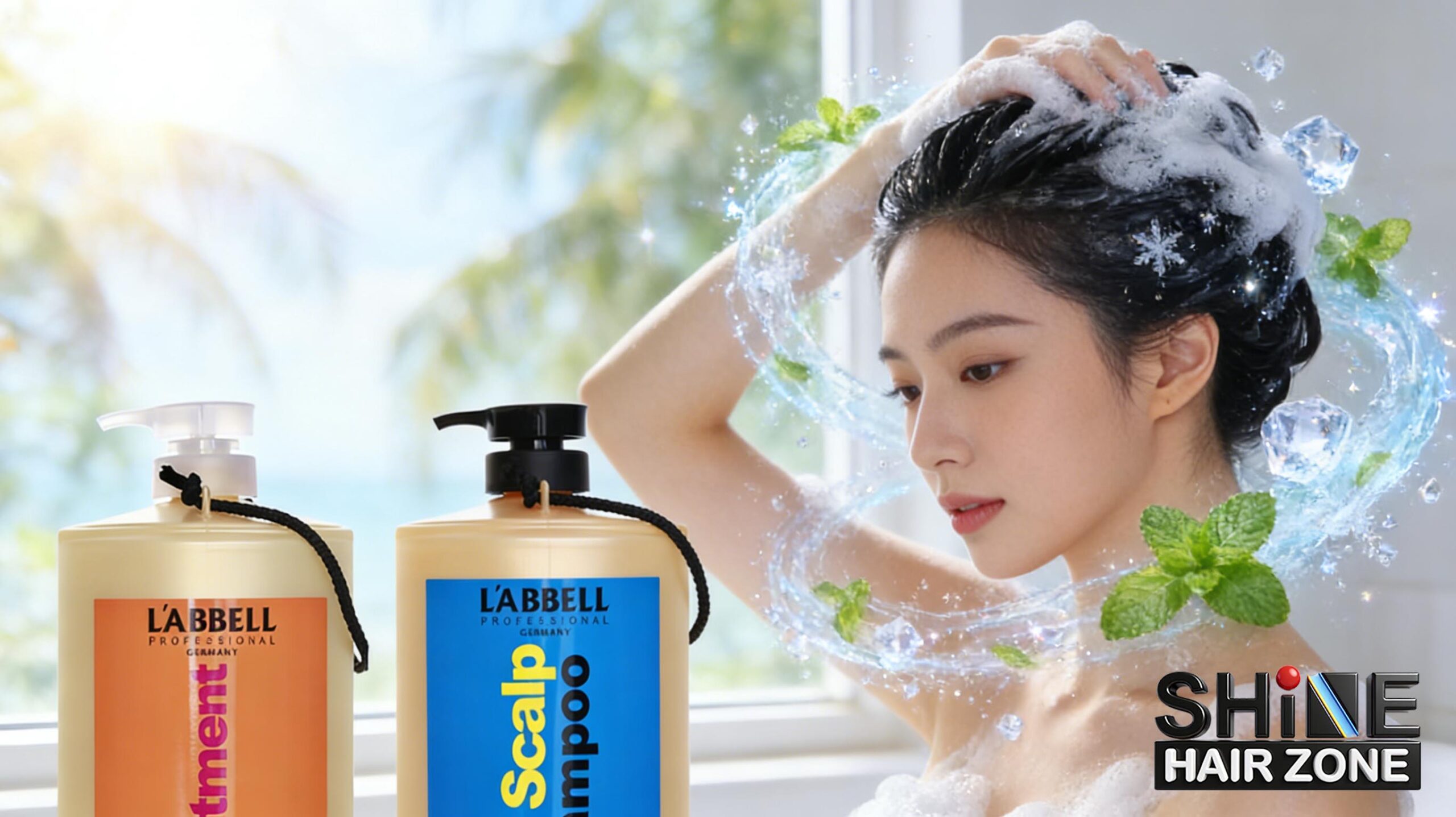
    Malaysia’s extreme heat from April to June 2026 is expected to push temperatures to 33°C, making the scalp oilier, hair flatter and itchier. The salon-style cooling combo is L’ABBELL Vitalist Ice Scalp Cooling Mint Shampoo 3000ml paired with L’ABBELL Treatment 3000ml: mint gives instant cooling while oil control is balanced with moisture.

    Why Heat Makes the Scalp Oilier

    With the monsoon transition and extreme heat, you break a sweat the moment you step outside. The most frustrating part is that the scalp turns into an “oil factory”: hair that looked nice and bouncy in the morning goes flat against the scalp by midday, plus itchiness and stuffiness. In weather this extreme, an ordinary supermarket shampoo is not enough.

    🧊 Rescuing Oily Hair: L’ABBELL Ice Scalp Cooling Mint Shampoo (3000ml)

    To handle the heat, we recommend the salon-grade cooling “secret weapon” — L’ABBELL Vitalist Ice Scalp Cooling Mint Shampoo. It is not just a wash; it is like an ice spa for your scalp.

    • ❄️ Instant physical cooling: packed with mint extract, so the scalp feels cool and breathable right after washing.
    • 🧼 Deep oil absorption (anti-oily): the foam is very fine and targets excess sebum and sweat from the heat; roots feel light and bouncy after washing.
    • 💎 Best value size: the giant 3000ml (3-litre) salon size is enough for the whole family, and the scent smells professionally fresh, like you just left a salon.

    🍈 The Customer-Recommended “Golden Combo”

    When the mint shampoo deep-cleans oil and dirt, it also takes away excess moisture. So pair it with the same brand’s L’ABBELL Treatment (3000ml). Its softening effect is strong and immediately closes the cuticles opened by washing, so hair stops looking frizzy. The best part is the sweet Honeydew melon scent.

    Customers say the treatment makes the pair feel much better than using the mint shampoo alone, and praise the 3000ml treatment as better value than other brands.

    Hot-Weather Wash Routine

    1. Wash the scalp and hair with L’ABBELL Ice Scalp Cooling Mint Shampoo.
    2. After rinsing, apply L’ABBELL Treatment and let it sit on the hair for a while.
    3. Rinse thoroughly for a cool scalp and smooth hair.

    Summary

    For the April-June heat and oily scalp, the L’ABBELL 3000ml Ice Combo gives instant cooling and oil control. To see the 3000ml set, check the product page or message us on WhatsApp.

  • Wahl Super Taper Pro Cordless: 5,800 RPM Brushless Motor Specs

    Wahl Super Taper Pro Cordless: 5,800 RPM Brushless Motor Specs

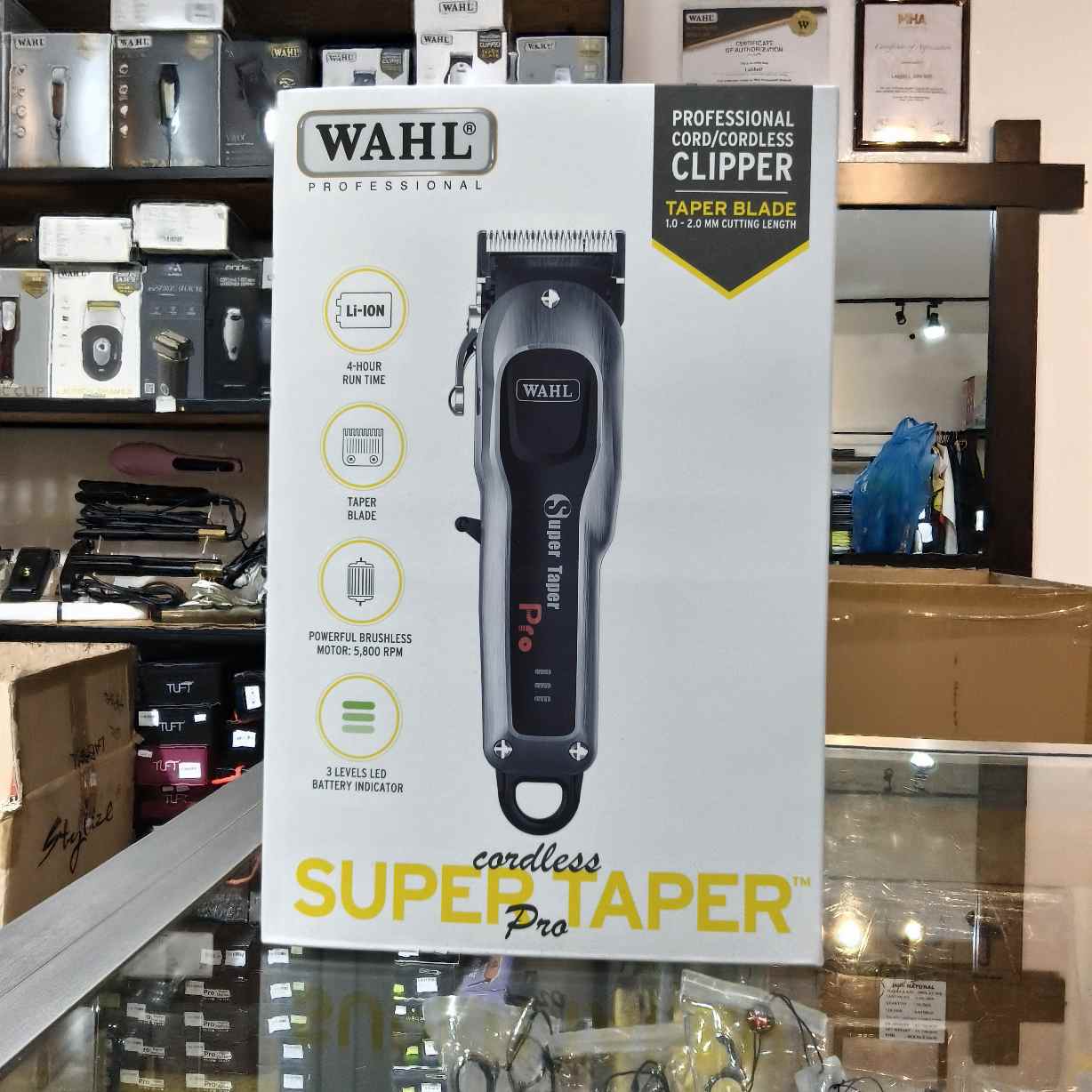
    Wahl Super Taper Pro Cordless is a cordless professional hair clipper with a high-power 5,800 RPM brushless motor, a lithium-ion battery and an ergonomic body, built for professional barbers and stylists. It focuses on speed, precision and quieter operation, and suits fades, tapers and line-ups. As for the country of origin, the source does not mention it.

    Key Specs

    • Brushless Motor: high performance at 5,800 RPM for fast, precise cuts with less noise and heat.
    • Lithium-Ion Battery: long-lasting and delivers consistent power.
    • Ergonomic Design: comfortable to grip during long cutting sessions.
    • Cordless: freedom of movement, suitable for barbers and stylists.
    • Quiet and efficient: lower noise, ideal for a barbershop environment.

    Who Is It For?

    • Professional barbers who need high precision for fades, tapers and line-ups.
    • Stylists who need a fast and durable tool.
    • Mobile barbers who want cordless convenience without losing performance.

    Why Choose It?

    Wahl is a trusted name in the barber industry, and the Super Taper Cordless Pro offers speed, durability and the best control — suited to barbers who want a cordless alternative that matches the corded version.

    About the Country of Origin

    The source does not state the manufacturing country or origin of the Wahl Super Taper Pro Cordless. This article only covers the specs, features and target users listed in the source, with no added origin information.

    Want Battery, Blade or Model Comparisons?

    The source notes you can find out more about battery life, the blade, or comparisons with other Wahl models such as the Magic Clip or Detailer. To see the unit and accessories, check the product page or message us on WhatsApp.