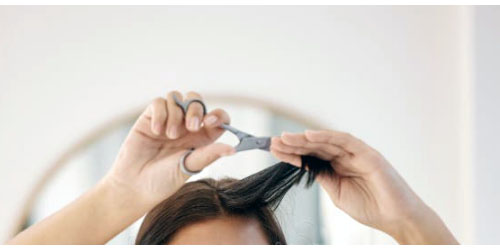
Category: Hair Salon Barbershop

  • Wahl Legend Cordless Review: 100-Minute Runtime & Fade Precision

    Wahl Legend Cordless Review: 100-Minute Runtime & Fade Precision

    Wahl Legend Cordless beats its rivals on fade precision, blade variety and guide comb durability. It offers 100 minutes of cordless runtime (60-minute charge), Wedge and Crunch blade technology, and guide combs that are 70% stronger — ideal for barbers who want a cordless tool with premium blend technology.

    1. Cordless Runtime & Battery

    • Wahl Legend: 100 minutes (60-minute charge).
    • Wahl Magic Clip: 90 minutes (similar charge time).
    • Andis Supra ZR: 140 minutes, but heavier.
    • Oster Fast Feed: corded (no battery).

    Conclusion: the Legend balances runtime and portability, suited to mid-length sessions.

    2. Blade Technology

    • Legend: Wedge blade (0.7mm–1.7mm without a guide comb) + Crunch blade for smooth blending.
    • Magic Clip: adjustable blade (0.5mm–2mm), no Crunch blade technology.
    • Andis Supra ZR: fixed blade system, less versatile for fades.
    • Oster Fast Feed: standard blade (no dedicated fade technology).

    Conclusion: the Legend leads in fade precision and versatility.

    3. Guide Combs

    • Legend: premium guide combs (70% stronger) up to 25mm.
    • Magic Clip / Andis / Oster: standard combs that wear out faster.

    Conclusion: the Legend’s durable combs improve cutting quality.

    4. Taper Adjustment

    • Legend: wide taper range + thumb lever for quick adjustment.
    • Magic Clip: similar lever but a narrower cutting range.
    • Andis / Oster: limited adjustment without changing blades.

    Conclusion: the Legend gives the best fade control.

    5. Motor & Build

    • Legend: high-power rotary motor (quiet and durable).
    • Andis Supra ZR: powerful motor but noisier.
    • Oster Fast Feed: corded motor (powerful but less portable).

    Conclusion: the Legend’s motor balances power and quiet operation.

    Summary

    Wahl Legend Cordless beats its rivals in fade precision, blade variety and comb durability. While the Andis Supra ZR offers longer runtime and the Oster Fast Feed is more budget-friendly, the Legend suits barbers who want a cordless tool with premium blend technology and high build quality.

    To see the unit and its accessories, check the product page or message us on WhatsApp.

  • Shiseido Crystallizing Straight Guide: H1 & H2 Steps

    Shiseido Crystallizing Straight Guide: H1 & H2 Steps

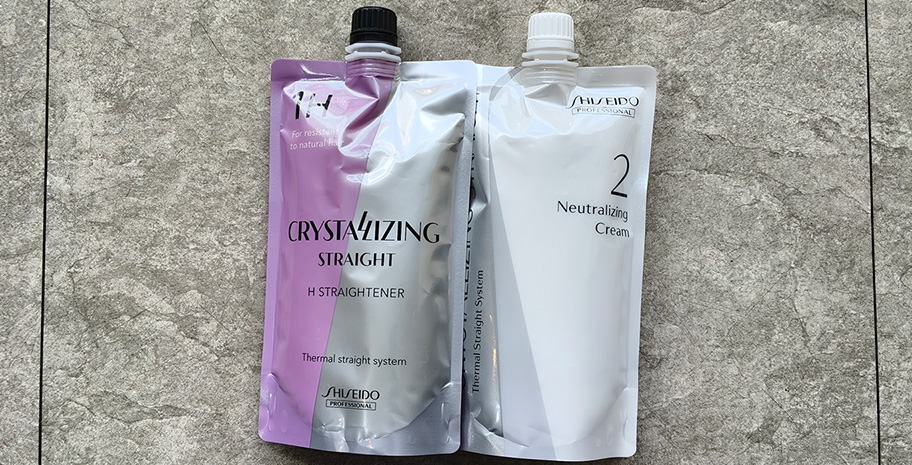
    Shiseido Crystallizing Straight is a two-step permanent straightening system: Step 1 softens the hair with H1 Hair Softener, and Step 2 locks the shape with H2 Neutralizer. It is made for naturally curly, coarse or hard-to-manage hair that has never been coloured, and it works with a hot flat iron to give long-lasting straight results.

    What Is Shiseido Crystallizing Straight?

    It is a two-step permanent straightening system. The chemical softener changes the keratin structure inside the hair, and the heat from a flat iron sets the new straight shape.

    Best for: naturally curly, coarse or resistant hair that has never been coloured. The salon-size set is 400g and includes H1 softener and Neutralizer Cream.

    Step 1: How to Use H1 Hair Softener

    1. Apply evenly: start from the mid-lengths to the ends, keeping 1-2 cm away from the roots so the cream does not touch the scalp.
    2. Processing time: leave for 10-20 minutes; very coarse hair can go up to 25 minutes. Then do the stretch test — pull one strand; if it slowly returns to its original length, the hair is soft enough.
    3. Rinse and straighten: rinse thoroughly with lukewarm water, dry the hair completely, then set it with a flat iron at 180°C.

    Step 2: How to Use H2 Neutralizer

    1. Full coverage: make sure the neutralizer covers the hair from roots to ends to lock in the straight result.
    2. Comb and wait: spread it with a wide-tooth comb and leave it on for 20-30 minutes.
    3. Rinse thoroughly: rinse it all out. Neutralizer left in the hair can weaken the hair structure.

    Safety & Aftercare

    • Avoid the scalp: H1 contains strong alkalis and can cause irritation, so keep it off the scalp.
    • Daily care: use an ionic nutritive shampoo to keep the cuticles closed.
    • Weekly mask: use a protein hair mask 1-2 times a week to nourish the hair.

    Who Should Use It?

    It suits healthy, uncoloured hair that is naturally curly, coarse or hard to style. Do not use it if your hair is bleached, badly damaged, or if your scalp has cuts, eczema or allergies. First-time users should check with a professional stylist.

    FAQ

    How long does the whole process take? Step 1 takes about 10-25 minutes plus rinsing and ironing; Step 2 needs another 20-30 minutes. The exact time depends on your hair type.

    Why does the stretch test matter? It tells you whether the softening is complete, so the hair does not turn gummy or over-processed.

    Summary: the key to Shiseido Crystallizing Straight is the Step 1 softening time and a thorough Step 2 neutralising rinse. To get the set, check the product page or message us on WhatsApp for advice on your hair type.

  • X-Tenso Oleoshape At-Home Rebonding: 30-Minute Steps

    X-Tenso Oleoshape At-Home Rebonding: 30-Minute Steps

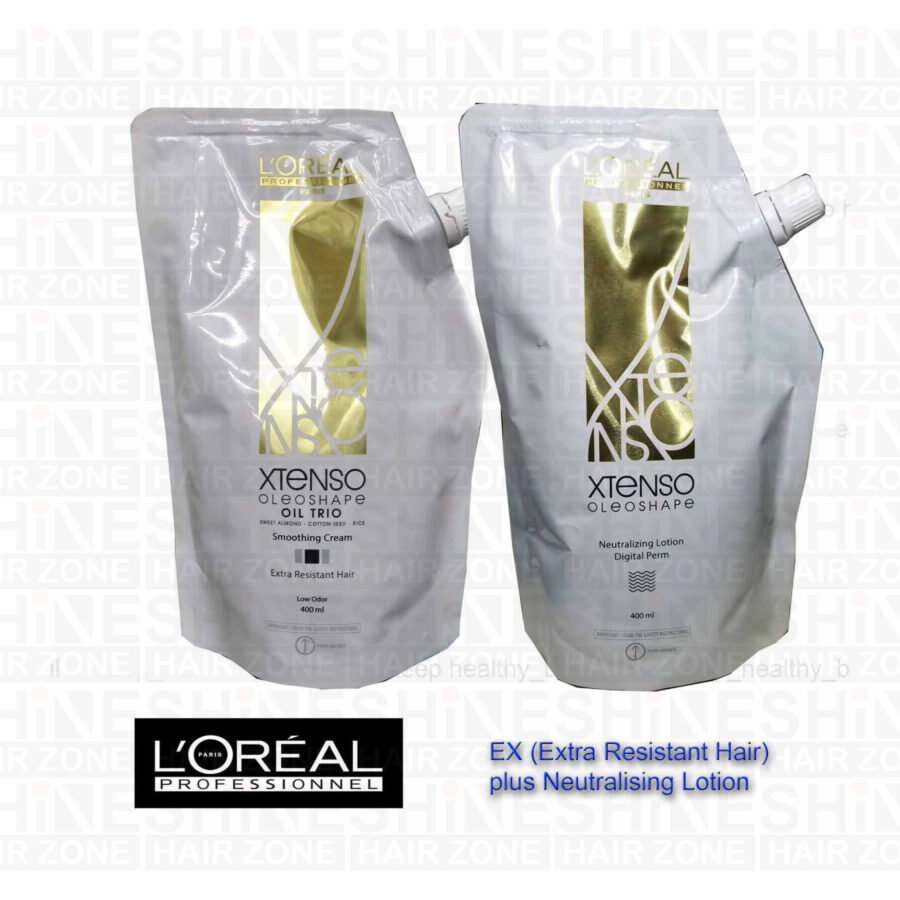
    To straighten natural curls or coarse hair at home, you can use X-Tenso® Oleoshape™. For Step 1, apply X-tenso Smoothing Cream Straightener, avoiding the scalp, and leave it for 10-20 minutes. Rinse, dry, then flat-iron at 180°C (356°F). For Step 2, apply X-tenso Neutralizer Cream, leave it for 20-30 minutes while combing gently, then rinse thoroughly. The whole process takes about 30 minutes and the result lasts up to 2 months. Choosing the right EX / M / R / N variant is the key to success.

    Why choose X-Tenso Oleoshape?

    • Salon results at home: Achieve a professional finish without specialist skills.
    • Fast and easy: 30 minutes for long-lasting straight hair.
    • Less damage: Reduces shedding and scalp irritation while retaining moisture.
    • Adjustable straightening: Choose the level of smoothness you want for a natural result.
    • Lasts 2 months: Wake up to smooth, shiny hair every day.

    How to use it (two steps)

    Step 1: X-tenso Smoothing Cream Straightener

    • Apply evenly from the roots (avoiding the scalp) to the ends and leave for 10-20 minutes.
    • Rinse thoroughly, dry, then straighten with a flat iron at 180°C (356°F).

    Step 2: X-tenso Neutralizer Cream

    • Apply over the whole head and leave for 20-30 minutes while combing gently. Rinse thoroughly for a long-lasting result and to protect the hair.

    Important: Follow the instructions to avoid incomplete neutralisation, which can damage the hair.

    Which variant to choose

    • EX: Very coarse, highly resistant natural hair.
    • M: Sensitised or chemically treated hair.
    • R: Fairly coarse natural hair.
    • N: Normal natural hair.

    What is included

    • Smoothing Cream straightener (No. 1) 400ml
    • Neutralizer Cream (No. 2) 400ml

    Why it is the professional choice

    • Professional quality, home friendly: Developed by L’Oréal Professional and trusted by salons.
    • Nourishing formula: Moisturist™ technology moisturises and adds shine, while Nutri-Cationic technology nourishes as it straightens.
    • Natural result: Free of harsh chemicals, for smooth hair without frizz.

    The bottom line

    X-Tenso Oleoshape promises premium, international-standard results, but used incorrectly, even an expensive cream can break your hair. Getting the timing and temperature right is what makes the investment worthwhile. To master salon-level technique and long-lasting straightness, message us on WhatsApp or view the full specifications on the product page.

  • Hairstylist Own Brand: Stop Being E-Commerce’s Free Coolie

    Hairstylist Own Brand: Stop Being E-Commerce’s Free Coolie

    To stop being squeezed by e-commerce price wars, hairstylists have to stop selling “standard products” and start selling a professional solution — diagnosis, service and salon-exclusive or white-label products bundled into one solution price.

    The source puts it bluntly: the root problem is not that customers love comparing prices. It is that you are spending your professional credibility and customer trust on products with transparent pricing and no barrier to entry — “like trading gold for cabbage”.

    Why do customers open Shopee or Lazada in front of you?

    Because you are selling a “standard product”, not a result only you can deliver.

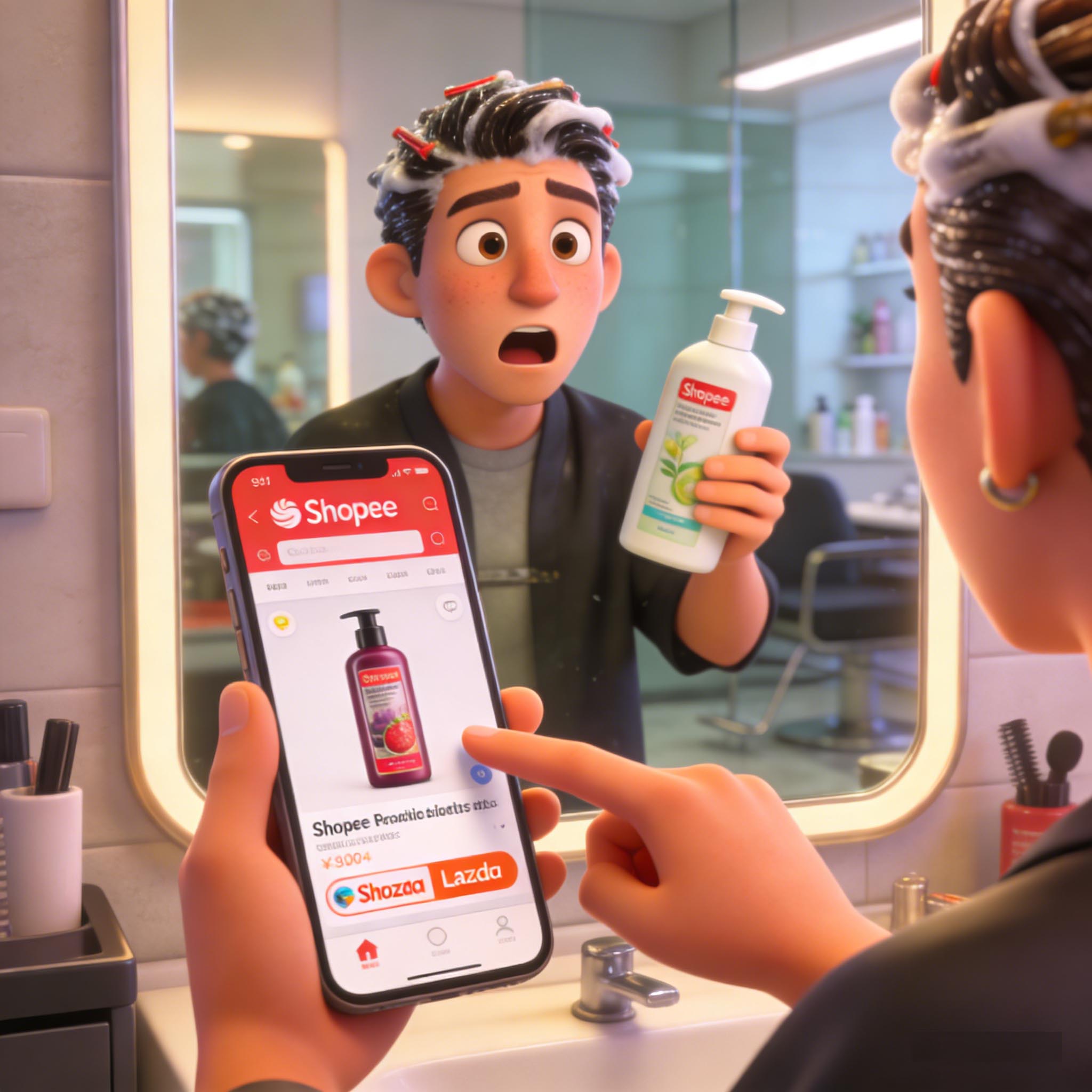
    The source describes the scene: you stand at the mirror and spend 30 minutes using all your professional knowledge to explain how good a shampoo is. The customer looks interested, then suddenly takes out the phone, opens Shopee or Lazada, finds the same model and says it is cheaper there, so they will just buy online. At that moment, your professional knowledge has become free marketing for the e-commerce platform.

    The core shift: from product salesperson to professional solution provider

    Stop selling “goods” and start selling “professional results + a complete solution”. That is the core value no e-commerce platform can replace.

    3-step action plan

    Step 1: Change your base — drop the “pasar malam” products everyone can buy online

    Action: check your salon inventory. Any brand customers can easily buy cheap online — finish the stock and do not restock.

    • Look for “defensive” products: use brands available only through professional salon channels (the source cites the Shine Hair Zone exclusive series). The formulas are more concentrated, pricing is not transparent, and your margin is protected.
    • Talk about the “science of ingredients”: sell it like skincare. Do not just say “the hair becomes soft” — talk about “Hydrolyzed Keratin filling the gaps in the hair shaft”. You are not selling shampoo, you are selling hair care science.

    Step 2: Rebuild value — diagnosis + solution + product

    Action: drop the old “promotion” approach and build authority like a “hair doctor”.

    • Use “visual proof”: use a Scalp Scanner and let the customer see their own clogged follicles.
      • Upgrade your sales script: “Based on the diagnosis, your scalp is sensitive. I will prepare a ‘Home Care Package’ (Prescription Kit) — a deep cleansing treatment in the salon plus a special essence for home use.”
    • Bundled pricing: do not let the customer see the price bottle by bottle. Service + product = one solution price. This is what “Solution-Based Charging” means.

    Step 3: Level up the model — hold absolute pricing power

    Action: build a personal brand that cannot be swapped out.

    • Become an “Expert Curator”: build your image on social media (IG/TikTok) as a stylist who understands both ingredients and aesthetics. Customers buy because they trust your taste, not because of the product brand.
    • Explore “customisation” (own branding): the highest level of service is “Custom-Made”. Use the Shine Hair Zone supply chain to create your salon’s own “Signature” product.
      • “This bottle is a formula made specially for your hair — you won’t find it in any mall or online.” That line is the K.O. to price wars.

    ⚡ What you can change this week

    1. Filter your stock: any brand that is killing prices online — stop selling it.
    2. Change how you communicate: when a customer asks “what product is good?”, do not answer straight away. Take out the scanner and do a diagnosis first.
    3. Use a “Prescription Pad”: write your recommendation on the salon’s official diagnosis sheet. It looks more authoritative and is harder to price-compare.
    4. Keep customer assets: make sure customers who trust you join your WhatsApp/Telegram community. They are your future brand loyalists.

    Remember: customers come looking for “YOU”, not for the “SHAMPOO” on your shelf. It is time to take back your pricing power.

    FAQ for hairstylists and salon owners

    I run a small salon with limited capital. Can I still build my own brand?

    Yes. The source says you can start with white-label products at a low minimum order quantity. Shine Hair Zone offers options for small to large salons, and free consultation.

    How long before I see results after changing strategy?

    The source reports that many salons saw a 30-50% improvement in profit margin within 3-6 months after moving to a “solution + exclusive product” model.

    Will customers accept a higher price?

    Yes, if you deliver the value properly (diagnosis, prescription, proven results). Customers pay for expertise and a solution, not just a bottle of shampoo.

    What is “White Label” and how do I start?

    White label lets you put your own brand on products formulated specially for your salon. Shine Hair Zone helps with formulation, packaging and flexible minimum quantities.

    Ready to start the change?

    Do not let e-commerce platforms keep profiting from your expertise. Shine Hair Zone can help with:

    • ✅ Exclusive products for your salon
    • ✅ Scalp scanner and professional diagnosis tools
    • ✅ White label / own brand strategy
    • ✅ Free consultation for hairstylists and salon owners

    👉 Contact Shine Hair Zone for a consultation, or view the Shine Hair Zone exclusive series. Specific pricing is not stated in the source — ask us directly for the latest details.

    Summary: swap the 30-minute product talk for a proper diagnosis, and swap standard products for salon-exclusive or white-label formulas — that is how you take back your pricing power.

  • SHISEIDO Crystallizing Hair Straightener 400g Set: Step-by-Step

    SHISEIDO Crystallizing Hair Straightener 400g Set: Step-by-Step

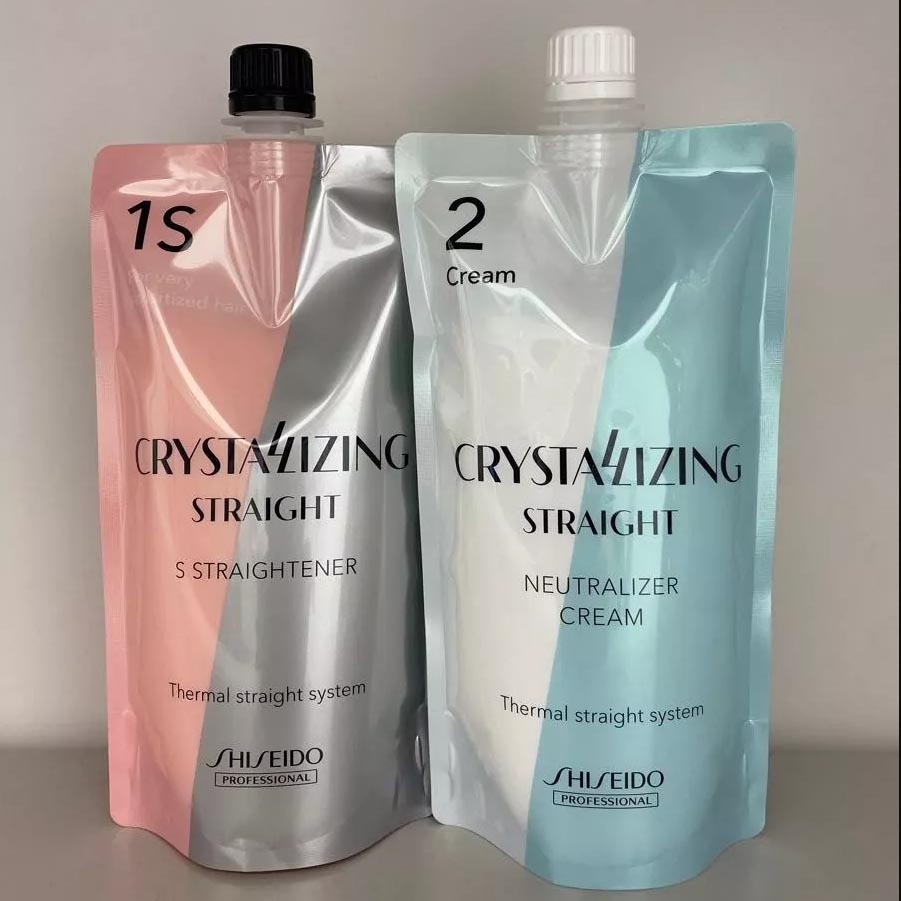
    The SHISEIDO Crystallizing Hair Straightener + Neutralizer Cream 400g Set is a two-step rebonding system: Step 1 Hair Softener softens the hair, and Step 2 Neutralizer locks the straight shape in place. Three numbers decide the result – 10 to 20 minutes of room-temperature processing for Step 1 (up to 25 minutes for very coarse, thick hair), a flat iron at 180°C/356°F for 2-3 seconds per section, and 20 to 30 minutes for Step 2. Step 1 must never touch the scalp; keep it 1-2 cm away from the roots.

    How do you apply Step 1 Hair Softener?

    The short answer: apply it to the hair only, never the scalp, keeping 1-2 cm away from the roots and working evenly from the mid-lengths to the ends.

    • Salon warning: if Step 1 touches the scalp, it can cause inflammation, blistering, or snap the hair root off completely.

    How long does Step 1 stay on, and how do you know it is soft enough?

    The short answer: 10 to 20 minutes at room temperature, extended to a maximum of 25 minutes for very coarse, thick hair – and the stretch test is what tells you it is done.

    How to do the stretch test

    • Take 2-3 strands of hair and pull gently.
    • If the hair stretches like rubber to 1.5x its original length, the softener has processed enough.

    Do you iron straight after rinsing?

    The short answer: yes. Rinse with warm water until it is completely clean with no product residue, dry the hair 100%, then use a flat iron to set the shape.

    • Flat iron temperature: 180°C/356°F.
    • Iron one thin layer at a time and hold for only 2-3 seconds per section.

    How do you use Step 2 Neutralizer?

    The short answer: apply it evenly from roots to ends, comb it through, and leave it for 20 to 30 minutes – its job is to lock in the straight shape you just ironed.

    • Use a wide-tooth comb to comb it straight and make sure the product reaches every part.
    • Let the hair hang straight down and process for 20 to 30 minutes.
    • Rinse thoroughly – leftover neutralizer can make the hair brittle later. Once rinsed, you can blow dry as usual.

    Step 1 comes in 4 types – how do you choose by hair type?

    The short answer: the range runs from strongest to gentlest as EX, H, N and S – the healthier, thicker and more resistant the hair, the stronger the type; the more damaged, the gentler.

    • EX Straightener (strongest): for healthy, thick and very curly hair.
    • H Straightener (strong): for healthy to slightly damaged hair.
    • N Straightener (medium): for coloured hair or moderate damage.
    • S Straightener (gentlest): for bleached or severely damaged hair.

    What is the Neutralizer Cream n in Step 2?

    The short answer: it is the shape-locking cream that gives the straight, heavy, moist and glossy finishing effect. The product page also describes this 400g set as the gentlest permanent rebonding system, aimed at very sensitised, bleached and severely damaged hair, with a long-lasting salon-quality straight finish and a heavy, moist gloss.

    Why does bad timing ruin the hair?

    The short answer: rebonding with a premium product like Shiseido needs skill and care, especially when reading the stretch test. Get the timing wrong and the hair can turn frizzy like wire, go “gummy”, or break off completely from being over-processed.

    Summary

    Follow the sequence – Step 1 kept 1-2 cm off the scalp for 10 to 20 minutes with a stretch test, ironed at 180°C/356°F for 2-3 seconds, then Step 2 for 20 to 30 minutes – and the SHISEIDO 400g set gives you a salon-grade straight finish. Before starting a DIY project, read our professional rebonding basics and technique guide, or WhatsApp our salon team to confirm your hair type; you can also view the SHISEIDO Crystallizing Hair Straightener + Neutralizer Cream 400g Set product page.

  • Safe Bleaching Hair Guide: 9% Peroxide & Scalp Protection

    Safe Bleaching Hair Guide: 9% Peroxide & Scalp Protection

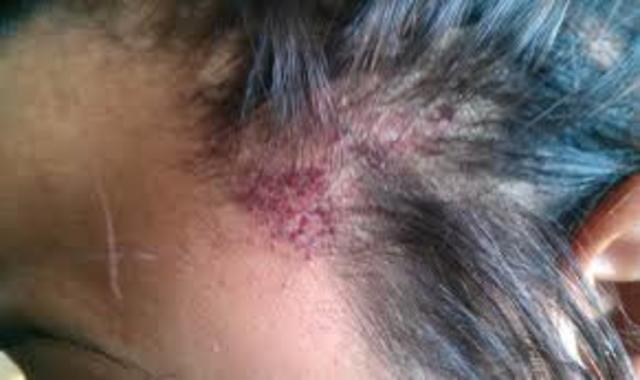
    When you bleach your hair, the real danger is not damaged hair – it is a chemical burn on the scalp. Written for the Hari Raya season, this guide keeps it to three things: swap 12% peroxide for 9% and go through the process in 2 rounds, prime the scalp with half a tube of Labbell Bio Protein before you start, and keep the bleach 5 cm away from the roots so it never touches the scalp. Hold a few extra details before and after, and you still get the lift you want without the burn risk.

    Why 9% peroxide instead of 12%?

    The short answer: 9% is a lower concentration, so it irritates less, yet doing 2 rounds still gives you a gradual lightening effect.

    • Instead of high-concentration 12% peroxide, do 2 rounds with 9% peroxide.
    • Why: the lower concentration reduces irritation while still achieving stage-by-stage lightening.

    How do you protect the scalp with Labbell Bio Protein?

    The short answer: use Labbell Bio Protein as a protective ampoule before the bleaching process starts.

    How to apply

    • Spread half a tube evenly over the scalp and leave it for 10-15 minutes.
    • Wipe off the excess with tissue before applying the bleach.

    Can the bleach touch the roots?

    The short answer: no. Make sure the bleach does not touch the scalp – keep it 5 cm from the roots.

    • Tip: use a fine brush and work on the ends first.

    What should you watch during the process?

    The short answer: watch the colour of the scalp. If it turns red or bright pink, that is your stop signal.

    • Stop immediately and rinse with cold water.
    • Note: darker scalp skin is more sensitive – do a 24-hour allergy test beforehand.

    Should you wash your hair before bleaching?

    The short answer: no. Do not wash your hair for 2 days before bleaching, so the scalp’s natural oil stays as a protective layer.

    When must you stop, or check with a professional first?

    The short answer: never repeat the process on an irritated scalp, and speak to a professional if you have a history of reactions or are using scalp medication.

    • DO NOT repeat the process if the scalp is already irritated.
    • Consult a professional if you have had an allergy to hair products before, or are using scalp medication such as corticosteroids.

    How do you recover after bleaching?

    The short answer: put moisture back and give the hair a rest from heat.

    • Use Labbell Bio Protein as an after-procedure treatment to moisturise the hair.
    • Avoid heat (hair dryer, straightener) for 1 week.

    Summary

    Do it in 2 rounds with 9% peroxide, prime the scalp with Labbell Bio Protein, and keep the bleach 5 cm off the roots – with the small details like not washing your hair for 2 days before, you get the lightened hair you want without risking a chemical burn. To check whether your scalp and hair type can take a bleaching session, WhatsApp our salon team or look at the Schwarzkopf Igora Vario Blond bleach on the product page.

  • Salon Absolute Power Is Over: Is the Hair Stylist Still King?

    Salon Absolute Power Is Over: Is the Hair Stylist Still King?

    No — the salon’s absolute power is over in 2026. Customers can check a factory price in seconds, so the days when a hair stylist said a product was good and the customer simply bought it are gone. Here is what happened to the Malaysian hair trade, and what salon owners and hairstylists must do next.

    A Chinese drama shows the real lesson: the contest was fixed

    The tea contest in “Great Tradesman” was fixed from the start. An ordinary viewer sees a small man beating the giants through hard work; a businessman sees politicians and big towkays who had already “kawtim” the tea export and sales channels. It did not matter who won as long as the tea came from their monopoly — the contest existed only to justify their high prices. Without interest, there would be no contest.

    Twenty years ago, the money came from opacity

    Back then the market was not transparent, and that was our money pit:

    • A sticker’s power: a shampoo bottle pasted “Made in Germany / Italy / Japan” sold at a sky-high price because consumers could not verify it. We gave our own brand the medal and the market believed it.
    • Technology as a barrier: Hot Perm (Rebonding) had just come from Japan. Whoever held the chemicals held the market, with very high margins — we could even give salons a 6-month credit term.
    • The salon’s absolute power: the hair stylist was king. Whatever he said was good, the customer bought.

    As a wholesaler I broke tradition a little: I opened a retail shop and sold direct to the End User at door price, and brand owners did not make noise as long as stock moved.

    Today and into 2026: the magic is gone

    That era is finished. We moved from the neighbourhood shop to Shopee, Lazada and TikTok; the market looks bigger, but “Brand Premium” is struggling:

    • The secret is out: customers check the factory price in a second, so a label cannot lie any more.
    • Platform commission: the profits salons used to eat are swallowed by platforms (transaction fees and ads).
    • No innovation: brand owners have plateaued — no more “wow” technology like Rebonding.

    Three ways to survive 2026

    1. Sell service, not “things”

    Chemical technology is standard now. Profit is no longer in the shampoo bottle but in who solves the problem and delivers service — product value dropped, service value is rising.

    2. The new “contest” is the algorithm

    The old contest was arranged by tea cronies; now it is arranged by the TikTok and Shopee algorithms. Whoever cannot play traffic and content loses. This is the new monopoly.

    3. A fast supply chain

    No need to rush for EURO goods if quality is nothing special. 2026 is the year of quality and speed: whoever makes good products at low cost wins, locally or in China.

    FAQ

    What is “information asymmetry”?

    Seller and buyer hold different information. Sellers once knew more (origin, true cost) and could set high prices; with the internet and e-commerce, customers know almost everything — the model is dead.

    How do I compete with the Shopee / TikTok algorithm?

    Quality content (short videos, testimonials, hair education), the right keywords, consistency. The algorithm favours content watched to the end and shared — sell the story and the solution.

    Can “Made in Malaysia” products compete?

    Yes, if quality is equal or better and the price is competitive. In 2026 users care about results, not a foreign label, and local products are easier on supply chain and cost.

    What is the first step for a hairstylist?

    Audit your stock and drop products whose online prices are too transparent, then build a diagnosis service (scalp scanner) and offer a “solution + exclusive product” package. Sell expertise, not bottles.

    Conclusion

    Twenty years ago we profited because people did not know; for the next 20 years we profit because of what we understand. Business was never fair, like that drama — only those who accept that the era of pasting labels is over will survive.

    Ready to transform your hair business?

    Shine Hair Zone provides exclusive salon products (white label), scalp scanners and professional diagnostic tools, content and algorithm strategy for online sales, and free consultation for salon owners and hairstylists. Our salon Group Buy pools orders so bosses fight for the best wholesale price instead of paying high prices for small quantities. Popular join-order items: salon-only brands (not on Shopee / Lazada, so customers cannot compare prices and the shop keeps 100% of the profit), Rebonding / Straightening chemicals, JAKIM halal-certified brands, and L’Oréal, Schwarzkopf and Shiseido salon sizes. Group buy prices are nett — postage, packing and a small admin / runner charge are not included.

    In one line: we used to profit from what customers did not know, now we profit from understanding more — message us on WhatsApp or view the salon-exclusive brands on the Shine Hair Zone product page.

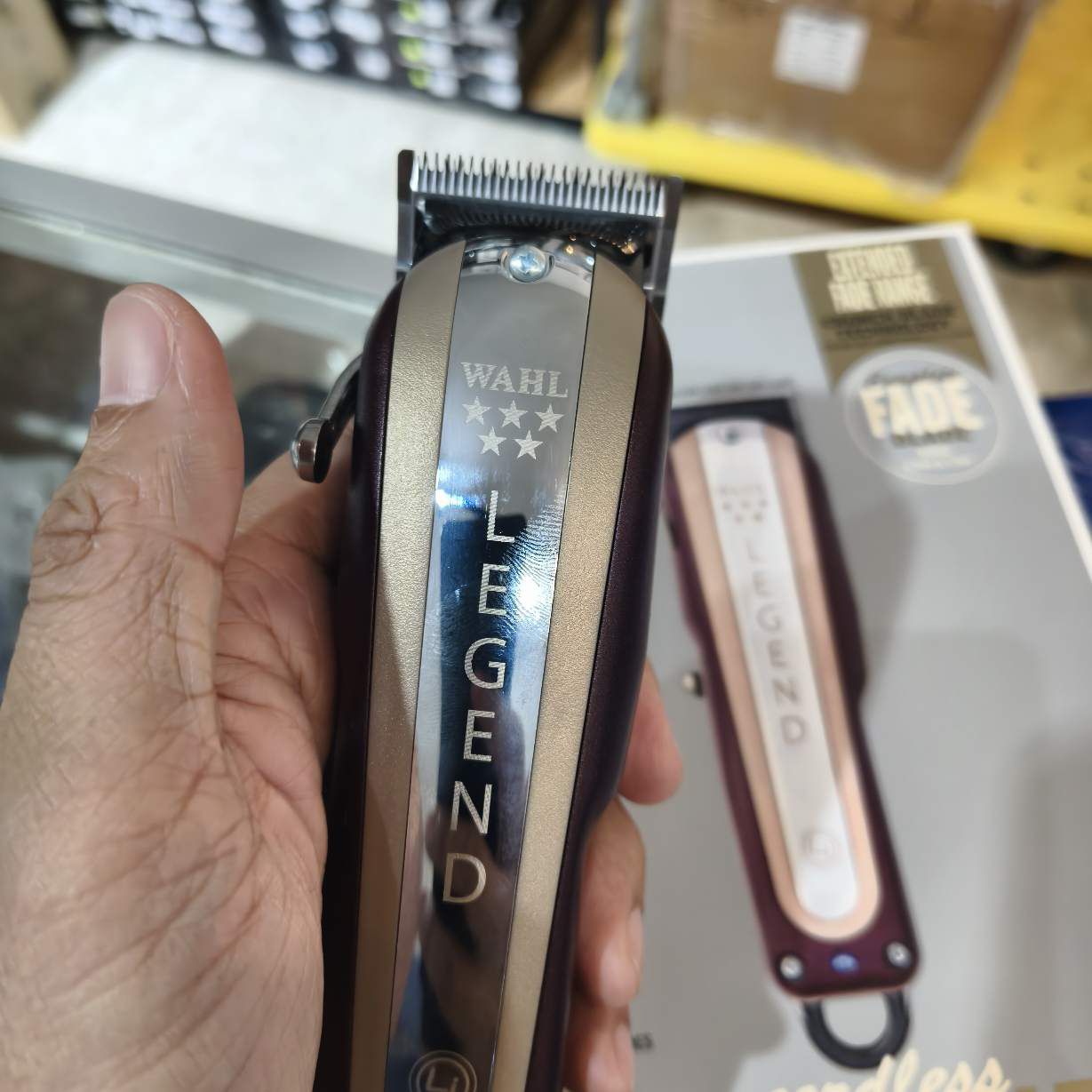
  • Desoxygener Ayurvedic Therapy Essence: Hair Follicle Revitalizer

    Desoxygener Ayurvedic Therapy Essence: Hair Follicle Revitalizer

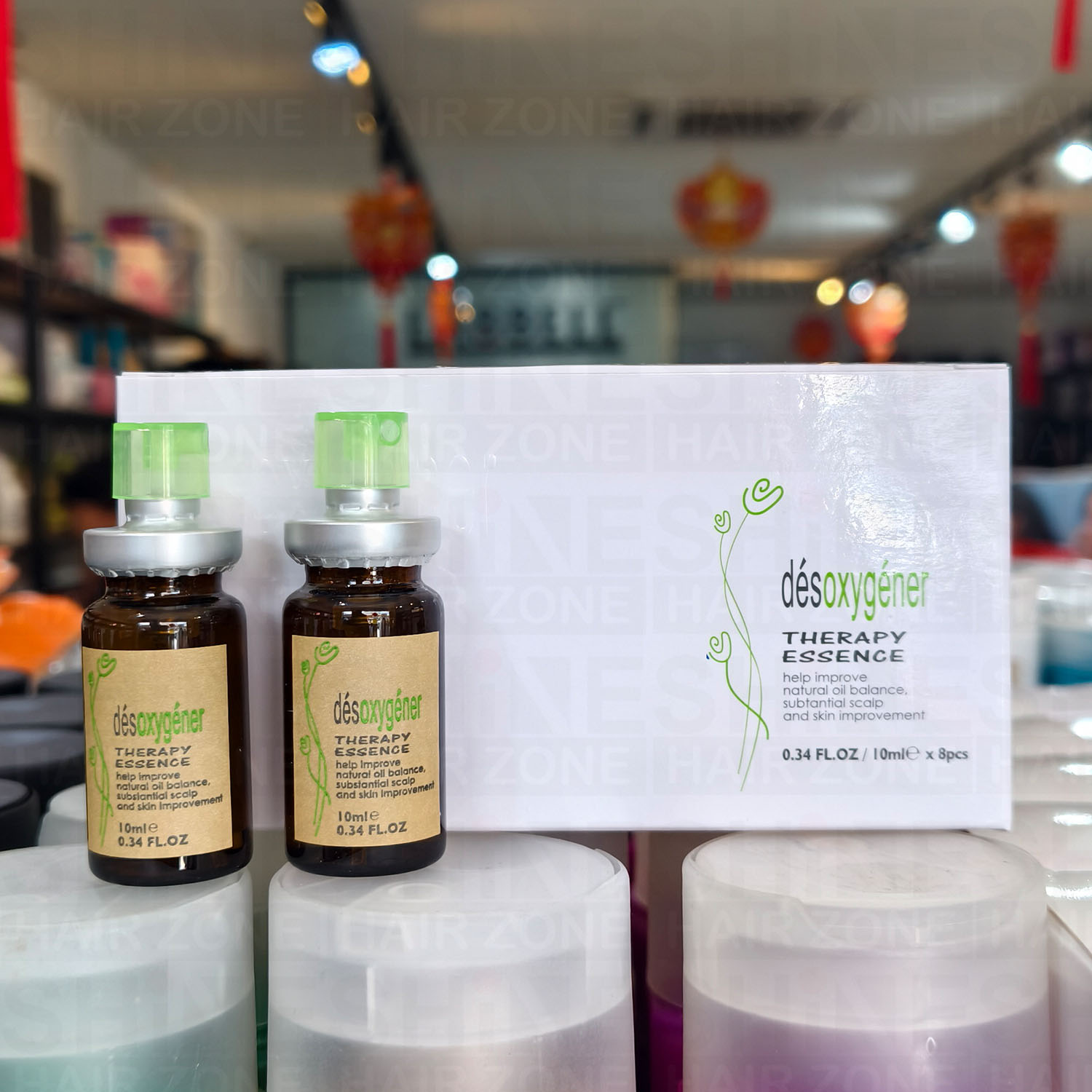
    Desoxygener Ayurvedic Therapy Essence is a leave-in scalp essence that you apply before a hair tonic such as Schwarzkopf Seborin. It works on the scalp first — improving scalp condition, feeding the hair follicles, stimulating blood circulation and balancing sebum — so the tonic that follows has a healthier base to work with. If your concern is thinning hair, an oily scalp or hair fall, this is the step that comes before the tonic, not a replacement for it.

    It is meant to be used before your hair tonic

    The brand’s own recommendation is straightforward: for better results, use this essence first, then follow with Desoxygener Ayurvedic Hair Tonic 120ml. So the order is essence first, tonic second — you do not mix the two together. The essence is the prep step; the tonic comes after.

    How to use it: scalp only, no rinsing

    There are only three things to remember. First, use your fingertips to spread the solution over the areas where hair looks thin and along the hairline. Second, do not rinse it out — leave the solution on the scalp so that it absorbs better. Third, expect a temporary reaction: because the formula is enriched with vitamins, it can leave a short-lived redness and a pinkish glow on the skin after use. That is a normal response, and it shows that blood circulation has been stimulated.

    The four main benefits

    The benefits all sit around scalp health, circulation, oil control and hair strength.

    • Improves scalp health: it improves scalp condition, creating a healthier environment for hair growth.
    • Stimulates blood circulation: it increases blood flow to the hair follicles, encouraging healthier hair growth.
    • Balances sebum production: it controls oil production on the scalp, preventing problems such as dandruff and oily scalp.
    • Strengthens and thickens hair: it delivers essential nutrients to the hair follicles for stronger, thicker hair.

    Usage tips and one important caution

    Consistency matters more than frequency — use it as part of your daily or weekly hair care routine rather than only when you remember. Do avoid using it on skin that is wounded or irritated. The essence comes in a 10ml size and in an 8x 10ml pack, which suits regular use as well as salon consumption.

    For salons: wholesale and group buy

    Shine Hair Zone supplies Malaysian hair salons and barbershops. Beyond Desoxygener, the range includes exclusive salon-only brands that are not sold on Shopee or Lazada, so customers cannot compare prices and the salon keeps the full margin. There are also JAKIM halal-certified brands, salon-size big brands such as L’Oréal, Schwarzkopf and Shiseido, and rebonding / straightening products. Salons can join Group Buy Salun to combine orders and buy at wholesale without tying up cash in box after box of stock. Do note that the group buy price is a nett price and does not include postage, packing, and a small admin/runner fee.

    In short: Desoxygener Ayurvedic Therapy Essence is a no-rinse scalp essence applied before your hair tonic to improve scalp condition, stimulate circulation, balance oil and support stronger, thicker hair. To check what is available or ask about the sizes, message us on WhatsApp or view the product page for Desoxygener Ayurvedic Therapy Essence Hair Follicle Revitalizer.

  • What Is Sulfate Shampoo? Who Should Use It

    What Is Sulfate Shampoo? Who Should Use It

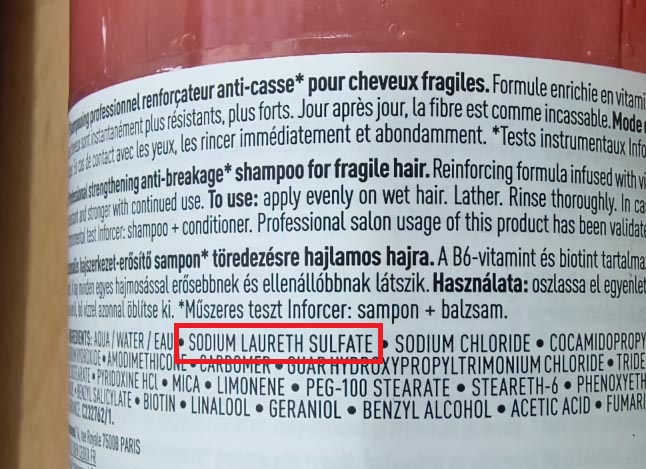
    Sulfate shampoo is a shampoo that contains strong cleansing agents such as SLS (Sodium Lauryl Sulfate) or SLES (Sodium Laureth Sulfate). It cleans very well and foams a lot, which is why it is so effective at removing scalp oil, styling product residue and dirt. The catch: it can also strip too much, so it does not suit every scalp — dry or sensitive scalps especially.

    What exactly are sulfates?

    Simply put, sulfates are strong detergents used in shampoo to lift oil and dirt off the scalp. The two you will see most often are:

    • SLS (Sodium Lauryl Sulfate): the strongest cleanser, and the one that produces the most foam.
    • SLES (Sodium Laureth Sulfate): milder than SLS, but still with the potential to irritate.

    The good side of sulfate shampoo

    The main advantage is straightforward: intensive cleaning and rich foam.

    • Intensive cleansing: effectively removes oil, leftover styling product and scalp dirt.
    • Abundant foam: gives a fresh feel, which suits oily scalps or use in hot weather.

    The downside of sulfate shampoo

    The risk is over-cleansing, especially with frequent use.

    • Over-cleansing: can damage the scalp’s natural oil layer, causing dryness, itching or sensitivity.
    • Hair damage: long-term use can leave hair dull and brittle, and treated colour (especially on coloured or permed hair) fades more easily.
    • Irritation risk: may trigger inflammation for people with sensitive skin or eczema.

    Who should use it, and who should not?

    In short: oily scalps and people who use heavy styling products are a good fit, while dry or sensitive scalps and colour- or perm-damaged hair are not.

    ✅ Suitable for:

    • Oily or easily oily scalps.
    • Users of heavy styling products such as gel, or clay / wax.

    ❌ Not suitable for:

    • Dry or sensitive scalps, or hair damaged by colouring or perming.
    • People with eczema or seborrheic dermatitis.

    Looking for a sulfate-free option? Check these ingredients

    If you want a gentler wash, choose a shampoo built on these cleansers instead:

    1. Amino acid surfactants (for example, Sodium Cocoyl Glutamate)
    2. Betaine-based (for example, Cocamidopropyl Betaine)
    3. Glucosides (for example, Decyl Glucoside)

    How to use it safely day to day

    Three habits cover most of it: rotate your shampoos, always condition, and watch your water temperature.

    1. Rotate regularly: use a sulfate shampoo once a week for deep cleansing, and a sulfate-free shampoo for daily washing.
    2. Always use conditioner: follow every wash with a hair conditioner or hair mask to restore moisture.
    3. Control water temperature: avoid water that is too hot, to reduce the risk of scalp dryness.

    For salons: what to keep on the shelf

    Most salons need both types: a sulfate shampoo for clients with oily scalps and heavy styling buildup, and a gentler sulfate-free range for daily washing and retail. Ordering in small batches for one salon is not cost-efficient, which is why Shine Hair Zone compiles group orders — salon-exclusive brands not sold on Shopee or Lazada, rebonding and straightening creams by the carton, JAKIM-certified halal brands, and major salon lines such as L’Oréal, Schwarzkopf and Shiseido.

    In one line: sulfate shampoo is not something to avoid completely — match it to the scalp and control how often you use it. Not sure which type fits you or your clients? Ask us on WhatsApp or view the product page.

  • Cutting Split Ends Yourself? Why You Get More Split Ends

    Cutting Split Ends Yourself? Why You Get More Split Ends

    Cutting your own split ends usually makes them worse, because the problem is the tool, not the trimming. Household scissors are not sharp enough, so instead of cutting cleanly they crush the ends into an uneven “shredded” edge. The fix is a dusting trim with sharp, sharpened scissors that removes only the split portion without losing length, plus a salon trim every 8–10 weeks.

    Why DIY trimming multiplies split ends

    Conclusion: blunt scissors crush the hair rather than cutting it. Ordinary scissors press through the ends and leave an uneven “shredded cut”, so each rough point becomes a new spot where the strand can split — hair often looks frizzier after a home trim, not smoother.

    The correct method: a dusting trim at the salon

    Conclusion: let the salon trim with sharp scissors, using a “dusting trim” that removes only the split portion without sacrificing length. Make sure the salon uses sharpened scissors.

    How often should you trim?

    Conclusion: trim the ends every 8–10 weeks so splits do not spread; the prevention checklist puts it at once every 2 months to stop them coming back. Leave at least 3 months between colouring and rebonding or perming, so the same hair is not hit with back-to-back processing.

    Split ends are not only a scissors problem

    • Vitamin deficiency: a lack of biotin (B7), vitamin E and B-group vitamins weakens the cuticle and makes strands brittle. Include more eggs, avocado, salmon, nuts and leafy greens; take biotin or a multivitamin only under a doctor’s guidance.
    • Hair ageing: as hair ages the cuticle wears down and the ends dry out and split, especially at the tips of long hair. Use a silicone-based hair serum or oil such as argan oil on the ends.
    • Chemical products: styling products such as hairspray and straightening creams that contain Parabens and SLS (sodium lauryl sulfate) strip the hair’s natural oils and cause dryness and splitting. Choose shampoos and treatments labelled “SLS-free” and “Paraben-free”.

    Heat and UV: the two most overlooked causes

    Conclusion: heat and sun both lift the cuticle and drain moisture. With a blow dryer, spray heat protection first, keep the setting on low to medium, hold the dryer at least 15cm away, and use it no more than 2–3 times a week — air-drying should be the default. Outdoors, long sun exposure dries, fades and weakens hair, so wear a hat or use an SPF sun-care spray; coconut oil or argan oil form a natural UV barrier.

    Daily habits: wet hair vs dry hair

    Conclusion: rubbing wet hair hard or yanking a brush through dry hair both make splitting worse. Pat the water out with a towel instead of rubbing back and forth, use a wide-tooth wooden comb on wet hair, and mist a little leave-in spray through dry, knotty hair.

    Key takeaways

    Split ends are irreversible — once a hair splits it can only be cut off, and daily care only slows the damage. Scalp health comes first: massage the scalp regularly to boost blood circulation and strengthen hair from the root.

    Anti-split-ends action checklist

    Nourish from within: daily protein plus B-group vitamins. Fight the heat: heat protection spray before every blow-dry. Trim regularly: once every 2 months. Avoid chemical damage: fewer colouring and rebonding sessions. UV protection: a hat outdoors or sun-care hair products. Right care habits: towel-dry gently, comb dry hair with a wide-tooth comb.

    Summary: preventing split ends comes down to diet, care habits and product choice, while trimming belongs to the salon’s sharp scissors. Looking for shampoo, treatment or salon-range products? Message our team on WhatsApp or browse the product page.