
Tag: scalp health

  • CHUGBOG HADA Anti Hair Fall Shampoo: Goji Stem Cells & Ginseng

    CHUGBOG HADA Anti Hair Fall Shampoo: Goji Stem Cells & Ginseng

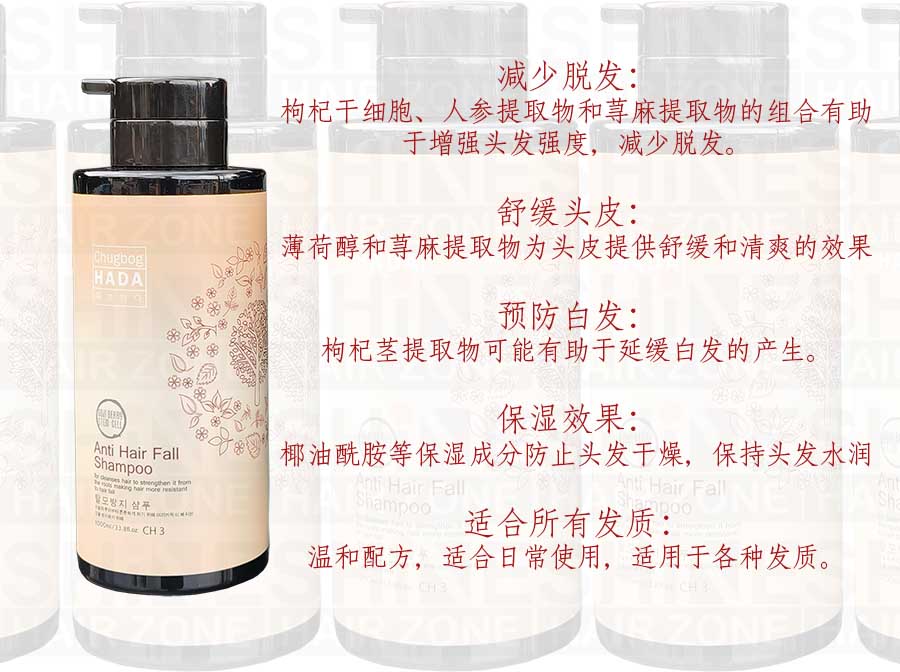
    CHUGBOG HADA Anti Hair Fall Shampoo is formulated for hair fall, scalp health and overall hair care. It combines goji berry stem cell extract (Lycium Chinense Extract), ginseng, menthol, nettle and ginger to strengthen hair and calm the scalp.

    Key ingredients and what they do

    • Lycium Chinense Extract (goji berry stem cells) – helps reduce hair fall and prevent white hair; known for antioxidant properties that support scalp health and hair strength.
    • Ginseng Extract – cleans the scalp and keeps it healthy; stimulates blood circulation, promotes hair growth and reduces hair fall.
    • Menthol – gives a cooling feel on the scalp; soothes and cools the scalp, suitable for sensitive or easily irritated scalps.
    • Nettle Extract – soothes the scalp; helps strengthen hair follicles and reduce hair fall.
    • Ginger Extract – improves scalp blood circulation; promotes healthy hair growth and reduces thinning.
    • Cocamidopropyl Betaine and Cocamide – gentle cleansing agents that also moisturise; prevent hair dryness and keep hair hydrated.

    How to use

    1. Apply the shampoo to wet hair.
    2. Massage gently until it lathers, focusing on the scalp to boost blood circulation.
    3. Rinse thoroughly.
    4. Can be used daily for the best hair and scalp care results.

    Product benefits

    • Reduces hair fall: the combination of goji berry stem cells, ginseng extract and nettle extract helps strengthen hair and cut hair fall.
    • Soothes the scalp: menthol and nettle extract give a calming, refreshing feel.
    • Helps prevent white hair: goji berry stem extract may help delay the appearance of white hair.
    • Moisturising: moisturising ingredients such as cocamide prevent dryness and keep hair hydrated.
    • Suitable for all hair types: a gentle formula for daily use.

    What makes it stand out

    • Natural ingredients such as goji berry stem cells, ginseng extract and nettle extract make it a well-rounded hair care choice.
    • It does not only target hair fall but also focuses on scalp health — which is key to keeping hair strong and healthy.

    Summary

    If you are looking for a shampoo that combines natural ingredients with scientific hair care, CHUGBOG HADA Anti Hair Fall Shampoo is worth considering. To ask about it or check stock, WhatsApp us or view our product page. #chugboghada #fundamentalnutrition #gojiberrystemcells
  • Cutting Split Ends Yourself? Why You Get More Split Ends

    Cutting Split Ends Yourself? Why You Get More Split Ends

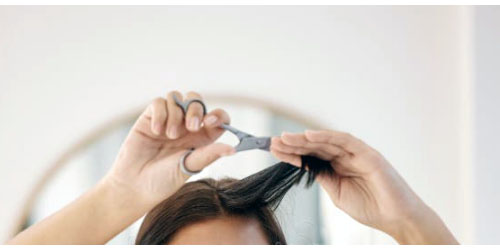
    Cutting your own split ends usually makes them worse, because the problem is the tool, not the trimming. Household scissors are not sharp enough, so instead of cutting cleanly they crush the ends into an uneven “shredded” edge. The fix is a dusting trim with sharp, sharpened scissors that removes only the split portion without losing length, plus a salon trim every 8–10 weeks.

    Why DIY trimming multiplies split ends

    Conclusion: blunt scissors crush the hair rather than cutting it. Ordinary scissors press through the ends and leave an uneven “shredded cut”, so each rough point becomes a new spot where the strand can split — hair often looks frizzier after a home trim, not smoother.

    The correct method: a dusting trim at the salon

    Conclusion: let the salon trim with sharp scissors, using a “dusting trim” that removes only the split portion without sacrificing length. Make sure the salon uses sharpened scissors.

    How often should you trim?

    Conclusion: trim the ends every 8–10 weeks so splits do not spread; the prevention checklist puts it at once every 2 months to stop them coming back. Leave at least 3 months between colouring and rebonding or perming, so the same hair is not hit with back-to-back processing.

    Split ends are not only a scissors problem

    • Vitamin deficiency: a lack of biotin (B7), vitamin E and B-group vitamins weakens the cuticle and makes strands brittle. Include more eggs, avocado, salmon, nuts and leafy greens; take biotin or a multivitamin only under a doctor’s guidance.
    • Hair ageing: as hair ages the cuticle wears down and the ends dry out and split, especially at the tips of long hair. Use a silicone-based hair serum or oil such as argan oil on the ends.
    • Chemical products: styling products such as hairspray and straightening creams that contain Parabens and SLS (sodium lauryl sulfate) strip the hair’s natural oils and cause dryness and splitting. Choose shampoos and treatments labelled “SLS-free” and “Paraben-free”.

    Heat and UV: the two most overlooked causes

    Conclusion: heat and sun both lift the cuticle and drain moisture. With a blow dryer, spray heat protection first, keep the setting on low to medium, hold the dryer at least 15cm away, and use it no more than 2–3 times a week — air-drying should be the default. Outdoors, long sun exposure dries, fades and weakens hair, so wear a hat or use an SPF sun-care spray; coconut oil or argan oil form a natural UV barrier.

    Daily habits: wet hair vs dry hair

    Conclusion: rubbing wet hair hard or yanking a brush through dry hair both make splitting worse. Pat the water out with a towel instead of rubbing back and forth, use a wide-tooth wooden comb on wet hair, and mist a little leave-in spray through dry, knotty hair.

    Key takeaways

    Split ends are irreversible — once a hair splits it can only be cut off, and daily care only slows the damage. Scalp health comes first: massage the scalp regularly to boost blood circulation and strengthen hair from the root.

    Anti-split-ends action checklist

    Nourish from within: daily protein plus B-group vitamins. Fight the heat: heat protection spray before every blow-dry. Trim regularly: once every 2 months. Avoid chemical damage: fewer colouring and rebonding sessions. UV protection: a hat outdoors or sun-care hair products. Right care habits: towel-dry gently, comb dry hair with a wide-tooth comb.

    Summary: preventing split ends comes down to diet, care habits and product choice, while trimming belongs to the salon’s sharp scissors. Looking for shampoo, treatment or salon-range products? Message our team on WhatsApp or browse the product page.

  • How to Choose the Right Hair Tonic: 6 Seborin Activ Alternatives

    How to Choose the Right Hair Tonic: 6 Seborin Activ Alternatives

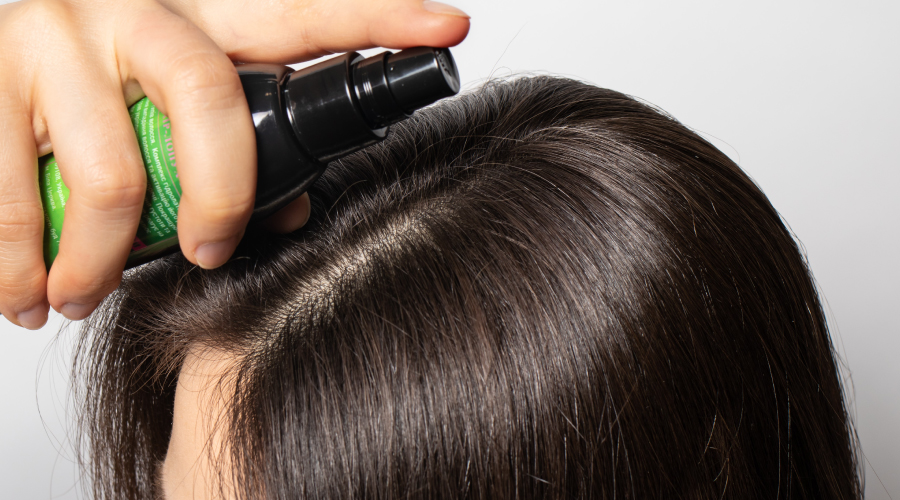
    Choosing the right hair tonic comes down to your scalp concern: for an oily or dandruff-prone scalp look for Piroctone Olamine; for genetic thinning look for a DHT blocker such as Procapil™ or Aminexil; for a sensitive scalp go alcohol-free. These 6 hair tonics are solid alternatives to Seborin Activ, each with its own key ingredients and best-fit user.

    Quick answer: match the tonic to your scalp concern

    • Oily scalp / dandruff: look for Piroctone Olamine (Labbell, Revecen).
    • Genetic thinning: go for DHT blockers like Procapil™ (Maui) or Aminexil (Kérastase).
    • Sensitive or dry scalp: choose an alcohol-free formula such as Revecen.
    • Stimulating growth: peptides/caffeine formulas (Desoxygener).

    The 6 alternatives to Seborin Activ at a glance

    Hair tonicKey ingredientsBest for
    01 Labbell Vitalist Hair TonicMenthol, Hedera Helix (Ivy Extract), Piroctone OlamineOily, dandruff-prone scalps; lightweight and non-sticky
    02 Revecen Hair TonicNiacinamide (Vitamin B3), Red Clover ExtractGenetic hair thinning (androgenetic alopecia); alcohol-free, suitable for sensitive scalps
    03 Maui Hair TonicAloe Vera, Procapil™ (Biotin & Apigenin Complex)Postpartum hair loss or stress-related shedding; contains natural DHT blockers
    04 Desoxygener Ayurvedic Therapy TonicGinseng, Tea Tree Oil & SageSensitive scalps; Ayurvedic formula that reduces inflammation linked to hair loss
    05 The Ordinary Multi-Peptide SerumHyaluronic Acid, Peptides & CaffeineAll hair types; oil-free and extends the hair growth phase (anagen)
    06 Kérastase Initialiste Advanced Scalp & Hair SerumVitamin B6, AminexilFine, fragile hair; source states it enhances hair density within 3 months

    What each key ingredient does

    Labbell Vitalist Hair Tonic

    Menthol gives a cooling effect and reduces itchiness; Hedera Helix (Ivy Extract) boosts blood circulation to the hair follicles; Piroctone Olamine combats dandruff-related hair loss. Ideal for oily, dandruff-prone scalps.

    Revecen Hair Tonic

    Niacinamide (Vitamin B3) strengthens hair roots and Red Clover Extract is rich in antioxidants to stimulate hair growth. Recommended for genetic hair thinning (androgenetic alopecia); alcohol-free and suitable for sensitive scalps.

    Maui Hair Tonic

    Aloe Vera soothes and hydrates the scalp, while Procapil™ (Biotin & Apigenin Complex) prevents follicle miniaturization. Effective for postpartum hair loss or stress-related shedding, and contains natural DHT blockers.

    Desoxygener Ayurvedic Therapy Tonic

    Ginseng stimulates follicle metabolism; Tea Tree Oil and Sage are antibacterial and anti-inflammatory. An Ayurvedic formula for sensitive scalps that reduces inflammation linked to hair loss.

    The Ordinary Multi-Peptide Serum

    Hyaluronic Acid hydrates the scalp, while Peptides and Caffeine extend the hair growth phase (anagen). Oil-free and suitable for all hair types; the source describes it as a clinically researched formulation.

    Kérastase Initialiste Advanced Scalp & Hair Serum

    Vitamin B6 regulates sebum production and Aminexil prevents collagen hardening around the follicles. Designed for fine, fragile hair; the source states it enhances hair density within 3 months.

    How to choose: 3 steps

    1. Identify your concern: oily scalp or dandruff points to Piroctone Olamine; genetic thinning points to DHT blockers.
    2. Check the key ingredients: alcohol-free for sensitive or dry scalps (Revecen); peptides/caffeine to stimulate growth (Desoxygener).
    3. Commit to consistency: results typically appear after 2–3 months of regular use.

    Usage tips

    • Massage the tonic into the scalp for 2–3 minutes to enhance absorption.
    • Pair it with a compatible shampoo: anti-dandruff shampoo with a Piroctone Olamine tonic, or a gentle shampoo with a peptide serum (The Ordinary).

    Caution

    Always perform a patch test before first use. #HairTonic #HairLossSolutions #ScalpCare

    Summary: the right hair tonic is the one whose ingredients match your scalp concern, and it needs at least 2–3 months of consistent use. To find out which one suits your scalp, WhatsApp us or view our product pages.

Hair Problem?WhatsApp me